
Extraction Tube
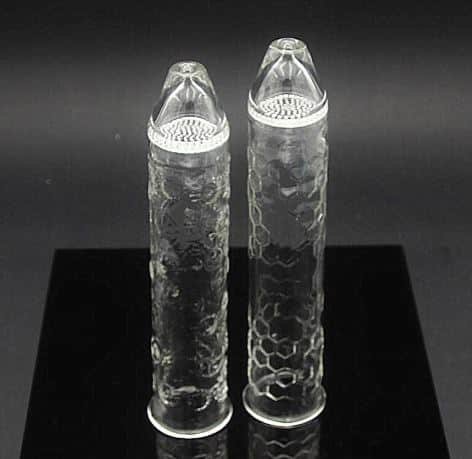
Definition: In cannabis, an extraction tube is a glass, stainless steel, or plastic tube packed with plant material, with a filter at one end. Liquid butane is forced through the tube to strip resin from the plant, and the oil collected at the bottom becomes butane hash oil (BHO). Using a tube in the open air is called “open blasting” and is extremely dangerous.
How Does an Extraction Tube Work?
The tube is filled with ground cannabis and capped with a fine screen or filter. Pressurized butane is sprayed in through the top. As it passes through the plant matter, it dissolves the cannabinoids and terpenes in the trichomes. The solution drains into a dish, and the butane is then evaporated and purged, leaving BHO that can be processed into shatter, wax, or other concentrates.
Why Is Open Blasting Dangerous?
Butane is heavier than air and highly flammable. When it’s released from an open tube, the vapor pools along floors and in enclosed rooms, where a pilot light, spark, or static charge can ignite it. Amateur butane extraction has caused house fires, explosions, and severe burns, according to the National Institute on Drug Abuse and published case studies. Many states make home solvent extraction a crime even where cannabis is legal.
What Is a Closed-Loop System?
Licensed extraction labs use closed-loop systems instead of open tubes. These sealed machines run the solvent through the plant material and recover it for reuse, so butane never escapes into the room. Closed-loop systems operate in rated facilities with ventilation, gas detection, and trained technicians.
Is There a Safer Alternative at Home?
Yes. Solventless extraction methods like dry sifting, ice water hash, and rosin pressing produce concentrates without any flammable solvent.
Related terms: BHO, Solventless Extract, Rosin Press, Concentrates
Sources: NIDA: Cannabis Concentrates DrugFacts; Al-Zouabi I et al., “Butane hash oil and dabbing: insights into use, amateur production techniques, and potential harm mitigation,” Substance Abuse and Rehabilitation, 2018.