
Dabbing
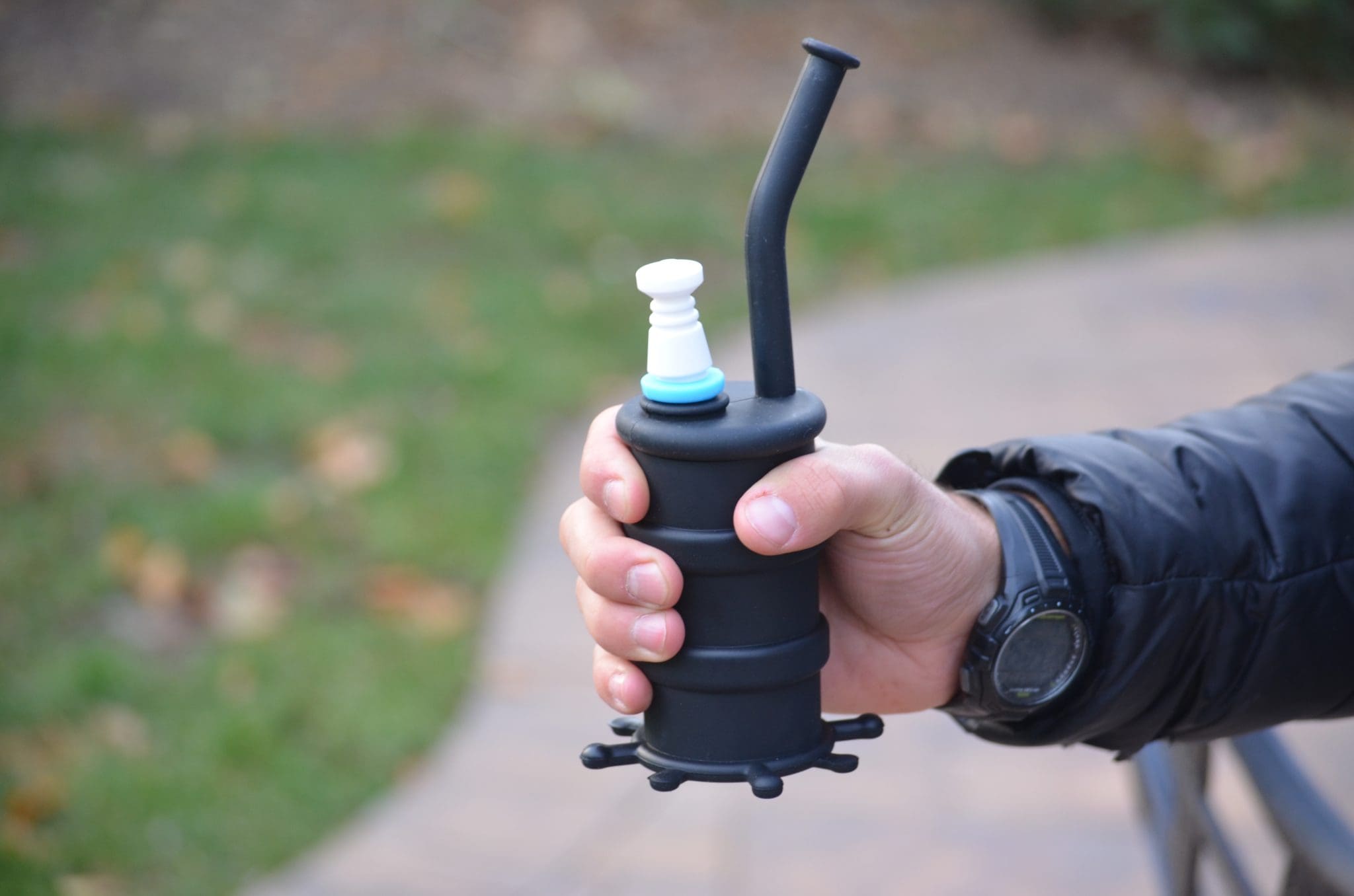
Definition: Dabbing is a way of consuming cannabis concentrates by placing a small amount, called a dab, on a very hot surface and inhaling the vapor. It’s usually done with a dab rig, but also with electronic rigs, wax pens, or nectar collectors. Because concentrates are several times stronger than flower, dabbing delivers a large dose of THC very quickly.
How Does Dabbing Work?
On a traditional dab rig, you heat a quartz, titanium, or ceramic nail (often called a banger) with a torch, let it cool to the right temperature, then touch the concentrate to it with a dab tool. The concentrate vaporizes instantly and you inhale through the water pipe. A carb cap placed over the nail traps heat and helps vaporize the whole dab. Electronic nails (e-nails) and e-rigs replace the torch with precise digital temperature control.
What Can You Dab?
Almost any concentrate: shatter, wax, budder, live resin, rosin, and distillate.
What Is a Low-Temperature Dab?
A low-temp dab is taken after letting the nail cool longer, so the surface is hot enough to vaporize the concentrate but not scorch it. Lower temperatures preserve terpenes and flavor and are gentler on the throat. Very hot dabs taste burnt and may create harmful byproducts.
Is Dabbing Safe?
Dabbing carries specific risks. A 2017 study in ACS Omega found that dabbing at high temperatures can break down terpenes into toxic compounds, including benzene and methacrolein. Potency is the other concern: according to the National Institute on Drug Abuse, high-THC concentrates raise the risk of anxiety, paranoia, dependence, and, in vulnerable people, psychosis. Torches and hot nails also cause burns. Start with a rice-grain-sized dab, keep temperatures low, and use lab-tested products.
Related terms: Dab Rig, Concentrates, Nectar Collector, 710
Sources: Meehan-Atrash J et al., “Toxicant Formation in Dabbing: The Terpene Story,” ACS Omega, 2017; NIDA: Cannabis Concentrates DrugFacts.