
Dry Herb
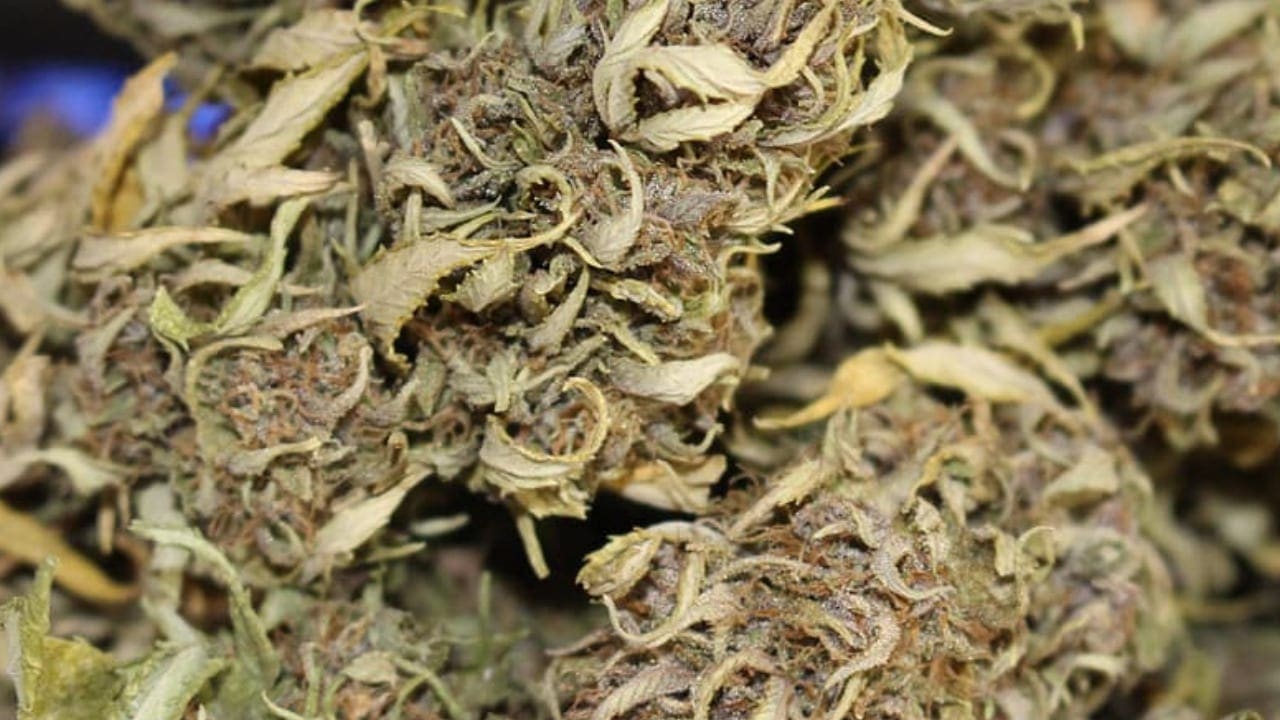
Definition: Dry herb means dried, cured cannabis flower, the buds themselves, as opposed to oils or concentrates. The term is most often used for dry herb vaping, where a vaporizer heats ground flower below the point of combustion, releasing cannabinoids and terpenes as vapor instead of smoke.
How Does a Dry Herb Vaporizer Work?
You load ground flower into a heating chamber and set a temperature, usually somewhere between about 350°F and 430°F. The device warms the herb enough to vaporize THC, CBD, and terpenes without burning the plant material. Lower temperatures emphasize flavor, while higher settings produce denser vapor and stronger effects.
What Is the Difference Between Conduction and Convection?
- Conduction: the herb touches a heated surface directly. Heats up fast, but can heat unevenly, so you may need to stir.
- Convection: hot air passes through the herb. Heats more evenly and usually tastes better, but often costs more.
- Hybrid: combines both for a balance of speed and evenness.
See a real-world example in our Utillian 5 vaporizer review.
Is Vaporizing Dry Herb Better Than Smoking?
Vaporizing avoids combustion, so it produces far less of the tar and many of the toxic byproducts found in smoke. It also tends to use flower more efficiently. It isn’t risk-free, and the vapor still delivers THC, so dose carefully.
What Can You Do With Already-Vaped Bud?
Leftover dry herb, called AVB (already vaped bud), still contains some cannabinoids and has already been partly decarboxylated, so some people use it in edibles.
Related terms: Vape Pen, AVB, Terpenes, Pre-Rolls
Sources: National Institute on Drug Abuse: Cannabis (Marijuana).