
Rosin
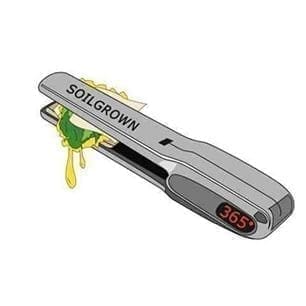
Definition: Rosin is a cannabis concentrate made by squeezing flower, kief, or hash between heated plates, which forces out a sticky, resinous oil. It’s a solventless extract, meaning no butane, propane, or alcohol is used, only heat and pressure. That makes rosin one of the simplest and safest concentrates to make, including at home.
How Is Rosin Made?
Starting material is packed into a fine mesh filter bag, wrapped in parchment paper, and pressed in a rosin press. The heat melts the resin in the trichomes and the pressure pushes it out onto the parchment, where it’s collected. Lower temperatures keep more terpenes and flavor. Higher temperatures increase yield but can darken the rosin and degrade aroma.
What Is the Difference Between Flower Rosin and Hash Rosin?
- Flower rosin: pressed directly from dried buds. Easier to make, but lower yield and more plant material in the final product.
- Hash rosin: pressed from bubble hash or dry sift. Cleaner, more flavorful, and usually pricier.
- Live rosin: hash rosin made from fresh-frozen plants, the solventless counterpart to live resin.
Is Rosin Better Than BHO?
It depends what you value. Rosin has no risk of residual solvents and many people prefer its full, natural flavor. Solvent extracts like BHO are more efficient to produce at scale and can reach higher THC levels. Either can be high quality when lab-tested.
How Do You Use Rosin?
Rosin is usually dabbed, vaporized in a wax pen, added to a bowl or joint, or used to make edibles after decarboxylation. As with any concentrate, start with a small amount.
Related terms: Rosin Press, Solventless Extract, SHO, Concentrates
Sources: NIDA: Cannabis Concentrates DrugFacts.