
Wax
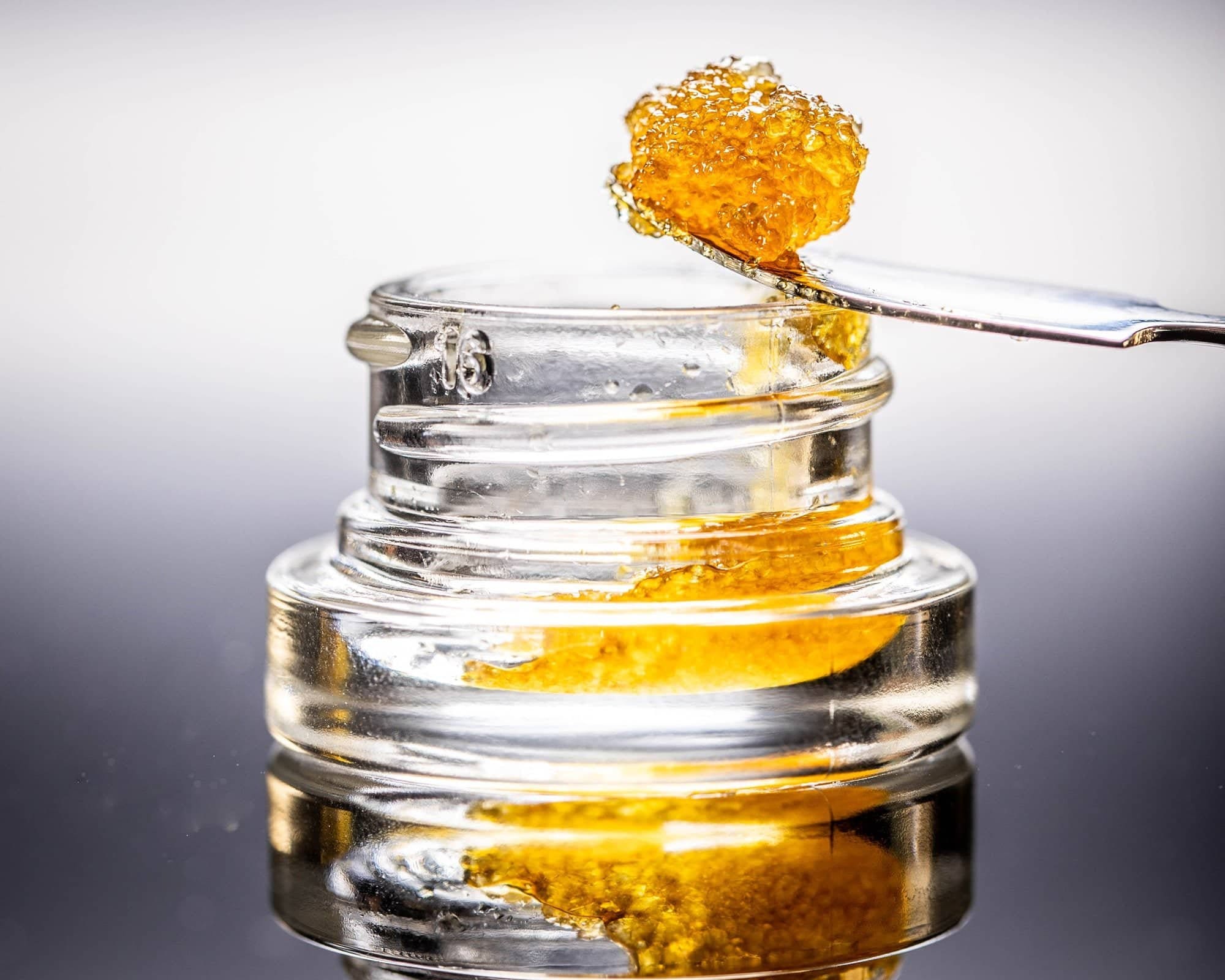
Definition: Wax is a soft, opaque cannabis concentrate with a texture like candle wax, ear wax, or cookie dough. It’s usually made from butane hash oil (BHO) that’s whipped or agitated during purging, which makes it crystallize into a solid, crumbly mass. Like other solvent-based concentrates, it’s several times stronger than flower.
How Is Wax Made?
Producers extract resin with a solvent, usually butane, then purge the solvent with heat and vacuum. Stirring or whipping the oil while it purges introduces air and encourages crystallization, turning a clear oil into an opaque wax. Moisture, temperature, and how much it’s worked all change the final texture.
What Is the Difference Between Wax, Budder, and Crumble?
- Wax: sticky and pliable, like soft candle wax
- Budder or badder: whipped until smooth and creamy, like frosting
- Crumble: drier and more brittle, breaking into small pieces
- Shatter: the same oil left undisturbed so it sets clear and glassy
Texture mostly affects handling and flavor, not strength. Check the lab label for actual THC content.
How Strong Is Cannabis Wax?
Solvent-based concentrates average roughly 54% to 69% THC, according to the National Institute on Drug Abuse, compared with about 15% for dried flower. That potency is why a small dab goes a long way.
How Do You Use Wax?
Most people dab it on a dab rig or vaporize it in a wax pen. Some add a small amount on top of flower in a bowl or joint. Use a dab tool to handle it, since it sticks to fingers.
Related terms: BHO, Shatter, Concentrates, Wax Pen
Sources: NIDA: Cannabis Concentrates DrugFacts; DEA Drug Fact Sheet: Vaping and Marijuana Concentrates.