
Cannabutter
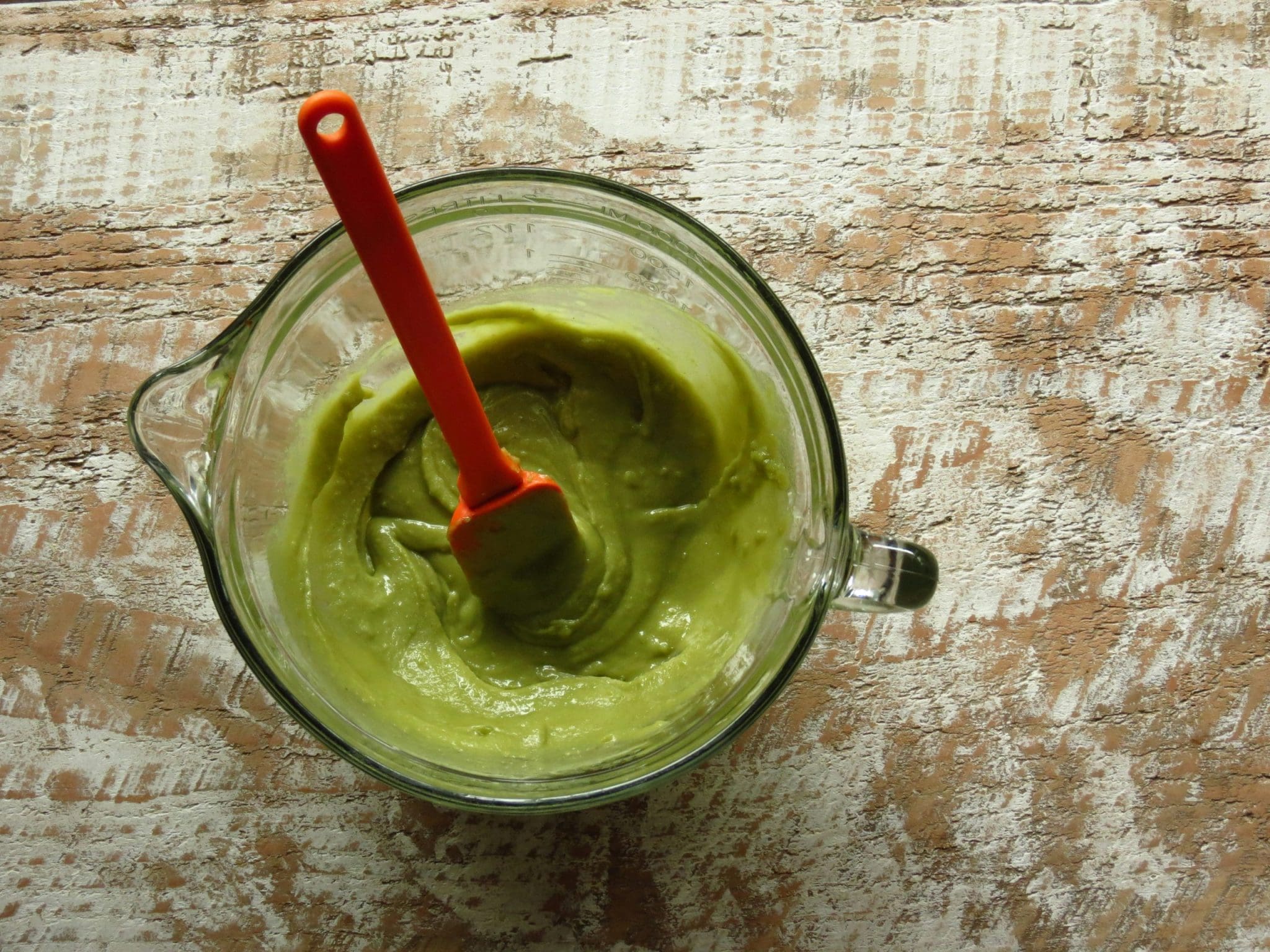
Definition: Cannabutter is butter that’s been infused with cannabis so it carries THC, CBD, or both. Because cannabinoids dissolve in fat, butter is an easy way to get them into food. It’s the base for many homemade edibles, from brownies to cookies, and can be used anywhere regular butter goes.
How Is Cannabutter Made?
First, ground flower is decarboxylated in a low oven. This heat step converts THCA into active THC; skip it and your butter will be weak. Next, the decarbed cannabis is simmered gently in butter, often with a little water to prevent scorching, for a few hours. Finally, the plant material is strained out and the butter is chilled. For a full walkthrough, see our guide to making cannabutter.
How Strong Is Homemade Cannabutter?
It’s hard to know. Potency depends on the strain’s THC level, how much flower you used, and how well you decarbed and infused it. Cannabinoids may also not spread evenly through the butter. That’s why homemade edibles are harder to dose than lab-tested ones from a dispensary.
How Do You Dose Cannabutter Safely?
Edibles take longer to kick in than smoking, often 30 minutes to two hours, and the effects last longer. NIDA notes that people sometimes take more while waiting, which raises the risk of bad reactions. Start with a small serving, wait at least two hours before having more, and label and store cannabutter where kids and pets can’t reach it.
Related terms: Canna Oil, Edibles, Decarboxylate, Tincture
Sources: National Institute on Drug Abuse: Cannabis (Marijuana); Barrus DG, et al. Tasty THC: Promises and Challenges of Cannabis Edibles. RTI Press, 2016 (PMC).
This entry is for general education and isn’t medical advice.