Tetrahydrocannabinol (THC)
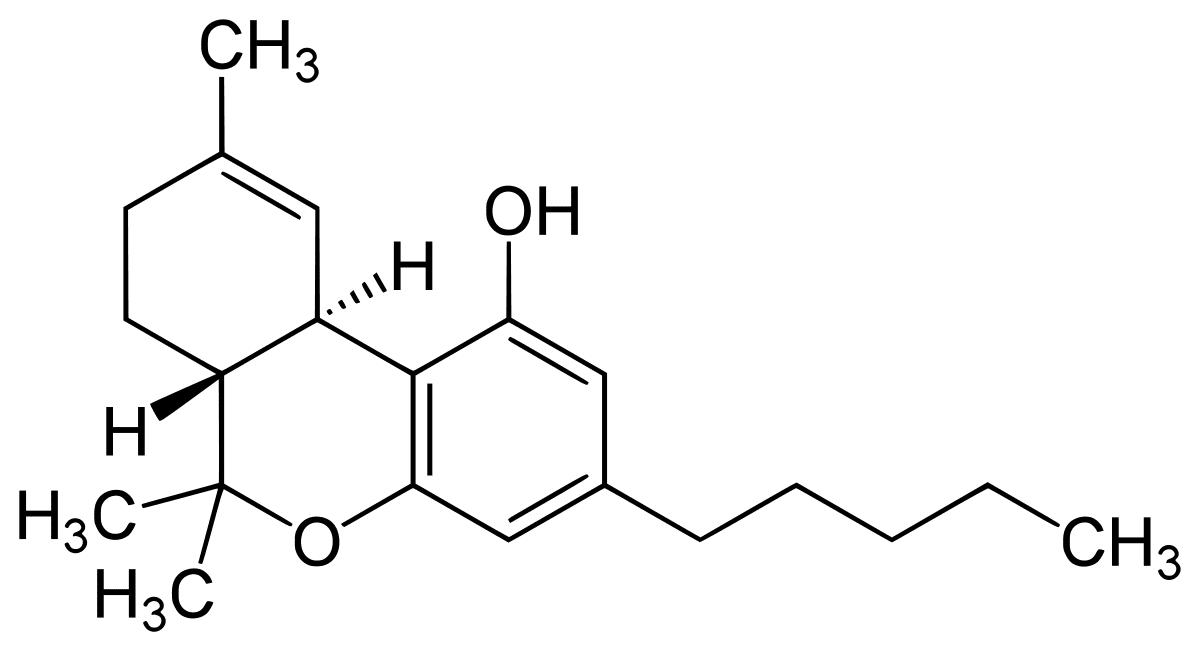
Definition: THC, short for delta-9-tetrahydrocannabinol, is the main psychoactive compound in cannabis and the reason it gets you high. It works by activating CB1 receptors in the brain, which affects mood, memory, appetite, and perception. Living cannabis plants mostly make THCA, which turns into THC when heated.
How Does THC Work?
THC closely resembles anandamide, one of the body’s own cannabinoids. It binds to CB1 receptors, which are concentrated in brain areas that control pleasure, memory, thinking, coordination, and time perception. It also binds more weakly to CB2 receptors, found mostly on immune cells. Israeli chemists Yechiel Gaoni and Raphael Mechoulam first isolated and described THC’s structure in 1964.
What Are the Effects of THC?
Common effects include euphoria, relaxation, heightened senses, increased appetite, and an altered sense of time. Unwanted effects can include cotton mouth, red eyes, short-term memory problems, impaired coordination, a faster heart rate, and, at higher doses, anxiety or paranoia. How strongly THC hits depends on dose, tolerance, and how you take it. Inhaled THC acts within minutes, while edibles take 30 minutes to 2 hours and last much longer.
What Is the Difference Between THC and THCA?
THCA (tetrahydrocannabinolic acid) is the non-intoxicating form of THC that raw cannabis produces. Heat from smoking, vaping, or baking removes a carboxyl group and converts THCA into THC, a process called decarboxylation. That’s why eating raw flower won’t get you high.
How Strong Is THC in Cannabis Today?
Much stronger than it used to be. According to the National Institute on Drug Abuse, dried flower now averages around 15% THC, while solvent-based concentrates average roughly 54% to 69%. Higher potency raises the risk of anxiety, dependence, and, in vulnerable people, psychosis.
Is THC Used as Medicine?
Yes. The FDA has approved dronabinol, a synthetic form of THC sold as Marinol and Syndros, to treat chemotherapy-related nausea and vomiting and appetite loss in people with AIDS. Nabilone, a synthetic THC-like drug, is approved for chemotherapy nausea. Many states also allow medical cannabis for conditions like chronic pain and multiple sclerosis spasticity.
Related terms: Cannabidiol (CBD), Cannabinoid Receptors, Entourage Effect, Hemp
Sources: National Institute on Drug Abuse: Cannabis (Marijuana); NIDA: Cannabis Concentrates DrugFacts; NIDA: Cannabis Potency Data.