
Myrcene: One of the Most Common Cannabis Terpenes, Explained
Quick answer: Myrcene (beta-myrcene) is a monoterpene that gives cannabis an earthy, musky, hop-like aroma. Lab testing of US commercial cannabis shows it’s one of the most abundant terpenes in the plant, alongside beta-caryophyllene and limonene. Animal studies suggest sedative and pain-relieving effects, but human research is limited, and the popular claim that eating mango boosts your high has never been tested in people.
Key takeaways
- Myrcene smells earthy, musky and herbal, a lot like fresh hops.
- It’s often the most abundant terpene in lab-tested cannabis, but levels vary widely by batch.
- Sedation and pain relief findings come mostly from mice, not people.
- The mango trick is folklore. No controlled human study supports it.
- The only reliable way to know a product’s myrcene content is its lab COA.
What is myrcene?
Myrcene is a monoterpene, one of the small aromatic molecules plants make to attract pollinators and repel pests. In cannabis it’s produced in the resin glands, the trichomes, alongside cannabinoids like THC and CBD.
It belongs to the same family as the other cannabis terpenes you see on lab labels, including limonene, linalool, pinene, caryophyllene and terpinolene. Chemically, it’s a simple, reactive molecule that oxidizes fairly easily when exposed to air, which is one reason fresh, well-stored flower tends to smell stronger than old flower.
What does myrcene smell like?
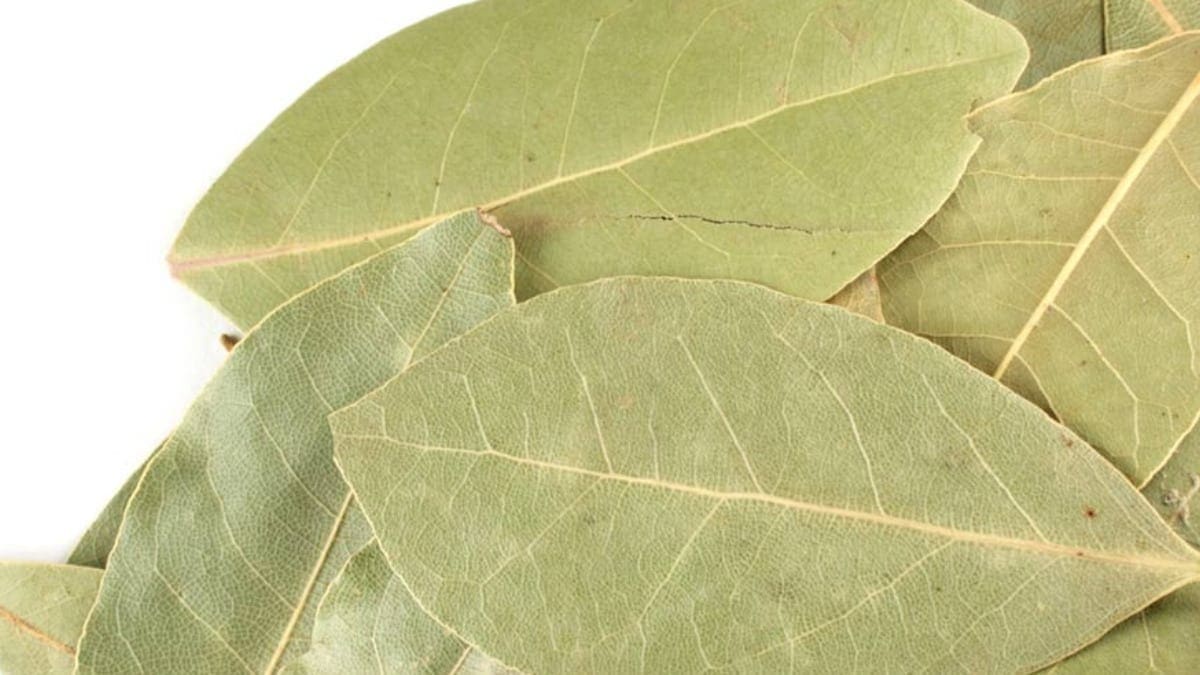
Most people describe myrcene as earthy, musky and herbal, with a peppery, balsamic edge. If you’ve smelled a bag of whole hops or a crushed bay leaf, you know the general idea. Some noses pick up a faint fruity or clove-like note too.
On its own the aroma is fairly mild. In cannabis it usually acts as a base layer that other terpenes sit on top of, so a myrcene-heavy strain might smell earthy with hints of citrus, pine or pepper depending on what else is in the mix.
Where is myrcene found?
Myrcene shows up across the plant world. Common sources include:
- Hops, where it’s a major part of the essential oil and a big reason beer smells the way it does
- Bay leaves, thyme and lemongrass
- Mango, especially in some varieties
- Cardamom and other culinary herbs and spices
In cannabis, a 2022 analysis of lab data from thousands of US commercial products (Smith and colleagues, PLOS ONE) found myrcene, beta-caryophyllene and limonene were the most abundant terpenes overall. The same study grouped products into three main terpene clusters, one dominated by myrcene and pinene. Most individual terpenes in the samples were present below 0.5% of dry weight, so even “high myrcene” flower contains a small amount in absolute terms.
What does research show about myrcene’s effects?
It helps to separate what’s been seen in animals from what’s been shown in people.
Lab and animal research
In his widely cited 2011 review, Dr. Ethan Russo summarized mouse studies in which myrcene produced pain relief that could be blocked by naloxone, along with sedative and muscle-relaxant effects at relatively high doses. He also notes myrcene is a recognized sedative component of hops preparations. These findings are real, but mice given concentrated doses aren’t the same as a person inhaling a few milligrams of mixed plant terpenes.
Human research
Controlled human studies on myrcene in cannabis are lacking. The idea that myrcene causes couch-lock, or that strains above a certain myrcene level are sedating, is widely repeated online and in some reviews, but it hasn’t been confirmed in clinical trials. Research is limited, so treat any strong claim about how myrcene makes you feel as a hypothesis, not a fact.
Myrcene is also often mentioned as part of the entourage effect, the idea that terpenes and cannabinoids modify each other’s effects. That’s a reasonable hypothesis with some supporting animal data, but how much myrcene contributes in people is still unknown.
Does eating mango before smoking make you higher?
This is one of cannabis culture’s best-known tips: eat a ripe mango about 45 minutes before you smoke and your high will hit harder. The reasoning is that mango contains myrcene, and myrcene supposedly helps THC cross into the brain faster.
Here’s the honest version. Mango does contain myrcene, and myrcene does have some interesting effects in animal studies. But no published controlled human study has tested whether eating mango changes how cannabis feels, and the “myrcene helps THC cross the blood-brain barrier” claim isn’t supported by direct evidence. The amount of myrcene in a piece of fruit is also highly variable.
If you enjoy mango, go for it. Just know any difference you feel is more likely expectation than chemistry, at least based on current evidence.
Which strains are commonly reported to be high in myrcene?
Strain names are not chemistry. The same name can test very differently from grower to grower and batch to batch, and the Smith 2022 study found that indica, sativa and hybrid labels line up poorly with actual terpene profiles. With that caveat, these strains are commonly reported as myrcene-dominant:
| Strain | Commonly reported aroma | Other terpenes often reported |
|---|---|---|
| Blue Dream | Berry, sweet, herbal | Pinene, caryophyllene |
| OG Kush | Earthy, pine, fuel | Limonene, caryophyllene |
| Granddaddy Purple | Grape, berry, earthy | Caryophyllene, pinene |
| Grape Ape | Grape, sweet, musky | Pinene, caryophyllene |
| White Widow | Earthy, woody, peppery | Caryophyllene, pinene |
The best way to know what you’re getting is to check the product’s certificate of analysis (COA), which lists measured terpenes by percentage.
What is myrcene’s boiling point?
PubChem lists myrcene’s boiling point at about 167°C (333°F) at standard pressure. Terpenes start to evaporate well below their boiling points, so this isn’t a precise vaping setting, but it’s one reason lower-temperature vaping tends to preserve more aroma than combustion.
Frequently Asked Questions
Is myrcene the most common terpene in cannabis?
It’s usually one of the top three. Large lab datasets of US commercial cannabis show myrcene, beta-caryophyllene and limonene as the most abundant terpenes overall. Older claims that myrcene makes up a fixed percentage of every strain’s terpenes aren’t well supported. Individual products vary a lot, so check the COA if it matters to you.
Does myrcene make you sleepy?
It might, but the evidence is mostly from animals. Mouse studies show sedative effects at fairly high doses, and myrcene is part of why hops have a reputation as a sleep aid. Controlled human studies using cannabis-level doses are lacking, so any sleepy feeling likely depends on the whole product, your dose and your tolerance.
Are myrcene strains always indica?
No. The idea that myrcene equals indica comes from older strain lore. A 2022 analysis of commercial cannabis found indica, sativa and hybrid labels don’t reliably predict terpene content. Myrcene-dominant products show up under all three labels, which is why reading the terpene numbers on a lab report beats relying on the category name.
Is myrcene safe?
Myrcene is widely used as a food flavoring and occurs naturally in foods like hops, thyme and mango. At the small amounts found in cannabis flower, it isn’t known to pose special risks. Concentrated terpene products are a different story, so don’t add pure terpene isolates to vapes or edibles unless the product is made for that use.
How do I find a high-myrcene product?
Ask your budtender for the certificate of analysis, or look for a terpene breakdown on the label or brand website. Products listing myrcene as the top terpene are your best bet. Because the same strain name can test differently between batches, comparing COAs is far more reliable than picking by name alone.
Want to compare terpenes side by side? See our guide to the top 5 terpenes in cannabis.
Sources: PubChem: Myrcene (NIH National Library of Medicine); Russo EB. Taming THC: potential cannabis synergy and phytocannabinoid-terpenoid entourage effects. British Journal of Pharmacology, 2011; Smith CJ et al. The phytochemical diversity of commercial Cannabis in the United States. PLOS ONE, 2022; Sommano SR et al. The Cannabis Terpenes. Molecules, 2020.
This article is for general education and isn’t medical advice. Talk to a healthcare provider before using cannabis for a health condition.