
Linalool: The Floral Terpene in Cannabis and Lavender
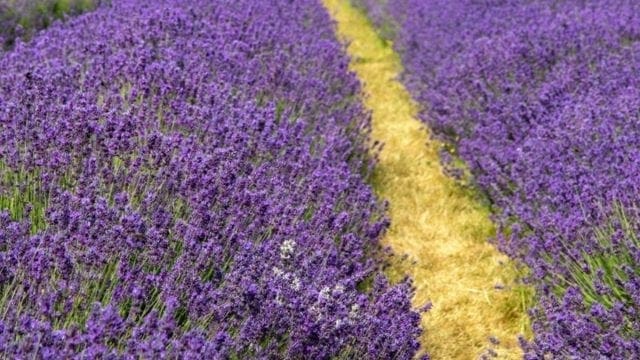
Quick answer: Linalool is a floral terpene alcohol best known as the main scent compound in lavender. It occurs in many cannabis strains, usually in smaller amounts than myrcene or limonene. Animal studies suggest calming, sedating and anti-seizure effects, but human evidence is limited and inconclusive. Oxidized linalool is also a common skin allergen, so it isn’t risk-free in concentrated form.
Key takeaways
- Linalool smells floral and lavender-like, with a light spicy or citrus edge.
- It’s usually a secondary terpene in cannabis, not the dominant one.
- Calming and sedative findings come mostly from mouse studies.
- Linalool-rich strains aren’t reliably indica or sativa.
- Oxidized linalool is a well-documented contact allergen.
What is linalool?
Linalool is a monoterpenoid, meaning a terpene with an alcohol group attached. Plants produce it as part of their scent, and cannabis makes it in the resin glands, or trichomes, along with other terpenes like myrcene, limonene, pinene, caryophyllene and terpinolene.
It’s one of the most widely used fragrance ingredients in the world, showing up in perfumes, soaps, lotions and shampoos.
What does linalool smell like?
Linalool smells floral, sweet and fresh, very close to lavender, with a light spicy or citrusy edge. In cannabis it rarely dominates the aroma. Instead it softens and sweetens the profile, adding a floral note to earthy, gassy or fruity strains.
Where is linalool found?
Linalool occurs in hundreds of plant species. Well-known sources include:
- Lavender, where it’s a major component of the essential oil
- Coriander seed, basil and mint
- Bergamot and other citrus
- Hops and some cinnamon species
In cannabis, linalool usually shows up as a minor or secondary terpene. Large lab datasets of US commercial cannabis find myrcene, beta-caryophyllene and limonene far more abundant overall. That matters, because many of the effects attributed to linalool were seen at doses much higher than a typical cannabis session provides.
What does research show about linalool’s effects?
Lab and animal research
Ethan Russo’s 2011 review summarized mouse studies where inhaled linalool reduced activity, a sign of sedation, along with anticonvulsant and pain-relieving effects. A 2021 review in Frontiers in Psychiatry by Weston-Green and colleagues looked at linalool and pinene as possible brain-health compounds and found preclinical evidence for anti-anxiety, antidepressant-like and neuroprotective effects in animals and cell studies.
Human research
Here the picture gets thin. The Weston-Green review concludes that evidence is “mostly limited to preclinical studies” and that well-designed clinical trials are lacking. Human data mainly cover how linalool is absorbed after inhalation or skin contact, not whether it reliably reduces anxiety or improves sleep.
There’s also human research on lavender oil, which Russo notes was linked to lower opioid use after surgery in one study. But lavender oil contains many compounds besides linalool, so those results don’t isolate linalool’s effect, and they don’t tell you what linalool does inside cannabis. Earlier claims of “clinically proven” benefits overstate the evidence.
Linalool is often cited as part of the entourage effect, but how much it shapes a cannabis experience in people is still an open question.
Which strains are commonly reported to contain linalool?
You’ll sometimes read that linalool strains are mostly sativas, or mostly sedating indicas. Neither holds up. A 2022 PLOS ONE analysis of commercial cannabis found that indica, sativa and hybrid labels poorly predict terpene content. These strains are commonly reported to carry noticeable linalool:
| Strain | Commonly reported aroma | Other terpenes often reported |
|---|---|---|
| Lavender | Floral, sweet, earthy | Myrcene, caryophyllene |
| Do-Si-Dos | Sweet, floral, earthy | Limonene, caryophyllene |
| LA Confidential | Pine, earthy, floral | Myrcene, pinene |
| Zkittlez | Fruity, sweet, floral | Caryophyllene, humulene |
| Purple Kush | Grape, earthy, floral | Myrcene, caryophyllene |
Terpene levels vary by grower and batch, so check the product’s certificate of analysis (COA) before you buy.
Is linalool safe?
Linalool is a common food flavoring and fragrance ingredient, and the small amount in cannabis flower isn’t known to cause problems for most people. The main concern is allergy. When linalool is exposed to air, it oxidizes into hydroperoxides that can trigger allergic contact dermatitis. In a 2014 UK study of 4,731 patients referred for patch testing, 5.9% reacted to oxidized linalool.
If lavender-scented soaps or lotions give you a rash, you may be sensitive to oxidized linalool. Keep concentrated terpene products sealed, cool and out of light, and avoid applying them directly to skin.
What is linalool’s boiling point?
PubChem lists linalool’s boiling point at about 198°C (388°F), higher than myrcene or limonene. Terpenes evaporate below their boiling points, but this helps explain why some people notice more floral flavor as vaping temperatures rise.
Frequently Asked Questions
Does linalool help you sleep?
It might contribute, but human proof is missing. Mouse studies show inhaled linalool reduces activity, and lavender has a long reputation as a sleep aid. Controlled human trials testing linalool at cannabis-level doses for sleep haven’t been done. Your dose, THC and CBD content and personal tolerance likely matter more than linalool alone.
Is linalool the same as lavender?
No. Linalool is one compound, and lavender oil is a mixture of many compounds, with linalool and linalyl acetate among the main ones. That’s why lavender oil research can’t be read as linalool research. Cannabis that smells like lavender may contain linalool, but only a lab report can confirm how much.
Are linalool strains indica or sativa?
Neither reliably. Older articles claim linalool strains are relaxing sativas or sedating indicas, but lab data show indica, sativa and hybrid labels don’t predict terpene profiles well. Linalool turns up across all three categories. To find it, read the terpene section of a product’s certificate of analysis rather than the label.
Can you be allergic to linalool?
Yes. Fresh linalool is a weak allergen, but once it oxidizes in air it forms hydroperoxides that commonly cause contact dermatitis. A large UK patch-test study found about 6% of tested dermatology patients reacted. If scented products make your skin itch or break out, talk to a dermatologist about patch testing.
How much linalool is in cannabis?
Usually not much. Linalool is typically a secondary terpene, present at lower levels than myrcene, caryophyllene or limonene. Exact amounts vary widely by strain, grower, harvest and storage. The only way to know is a lab COA, which lists terpenes as a percentage of the product’s weight.
To see how linalool stacks up against other terpenes, read our guide to the top 5 terpenes in cannabis.
Sources: PubChem: Linalool (NIH National Library of Medicine); Weston-Green K et al. A Review of the Potential Use of Pinene and Linalool as Terpene-Based Medicines for Brain Health. Frontiers in Psychiatry, 2021; Russo EB. Taming THC: potential cannabis synergy and phytocannabinoid-terpenoid entourage effects. British Journal of Pharmacology, 2011; Audrain H et al. Allergy to oxidized limonene and linalool is frequent in the U.K. British Journal of Dermatology, 2014; Smith CJ et al. The phytochemical diversity of commercial Cannabis in the United States. PLOS ONE, 2022.
This article is for general education and isn’t medical advice. Talk to a healthcare provider before using cannabis for a health condition.