
Sativa
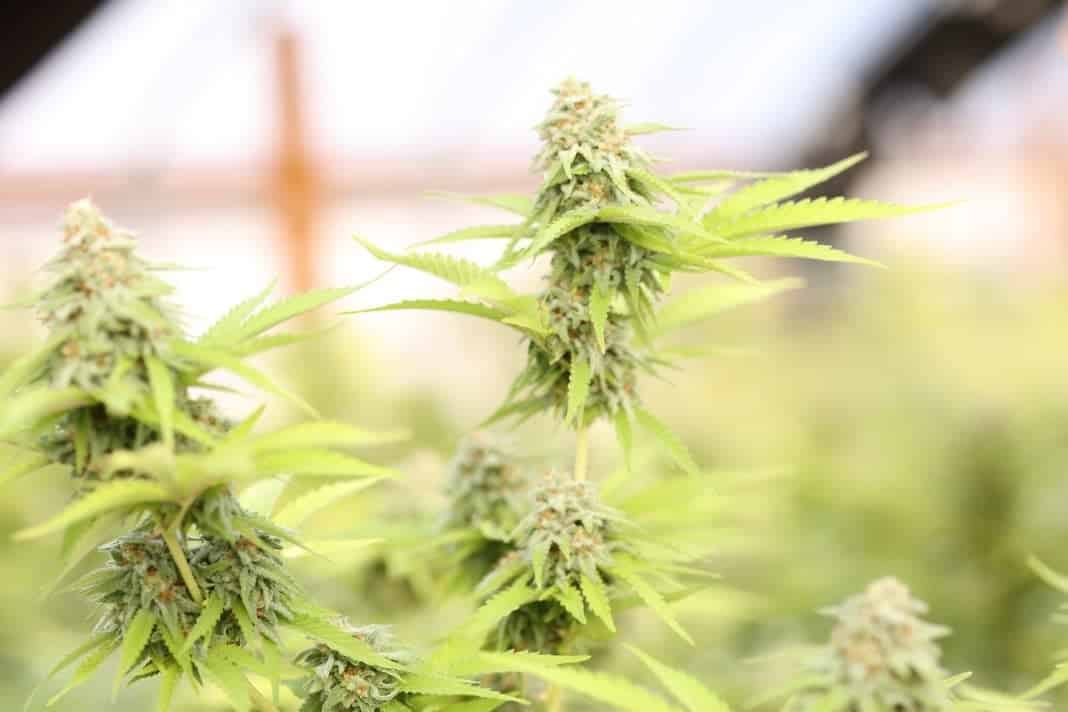
Definition: Sativa refers to cannabis plants that typically grow tall and lanky with long, narrow leaves, traditionally from warm regions near the equator. In dispensaries, “sativa” is used as shorthand for uplifting, energizing, head-focused effects. Research shows the label doesn’t reliably predict a product’s chemistry or how it will feel.
Where Does the Term Sativa Come From?
Swedish botanist Carl Linnaeus named Cannabis sativa in 1753, and it remains the formal species name for cannabis, including hemp. In 1785, Jean-Baptiste Lamarck named Cannabis indica to describe shorter plants from India. Whether those are truly separate species is still debated.
What Do Sativa Plants Look Like?
- Tall, airy plants that can stretch well over 6 feet outdoors
- Long, thin, light-green leaflets
- Looser, more elongated buds
- Longer flowering times, suited to long tropical growing seasons
Traditional sativa-type landraces come from places like Thailand, Colombia, Mexico, Jamaica, and parts of Africa.
Do Sativa Strains Really Give You Energy?
Not reliably. A 2022 study in PLOS ONE that analyzed nearly 90,000 lab-tested cannabis samples found that sativa, indica, and hybrid labels didn’t consistently match distinct chemical profiles. Many people do report feeling more alert with certain products, but that’s better explained by dose and terpenes, like limonene or pinene, than by the sativa label. High-THC products of any type can cause anxiety or racing thoughts.
What Should You Look For Instead?
For a clearer, more functional high, try a lower THC dose and check the lab label for terpene content. Keep notes on how specific products affect you, since individual responses vary.
Related terms: Indica, Hybrid, Strains, Terpenes
Sources: Smith CJ et al., “The phytochemical diversity of commercial Cannabis in the United States,” PLOS ONE, 2022; Russo EB, British Journal of Pharmacology, 2011.