
Humulene
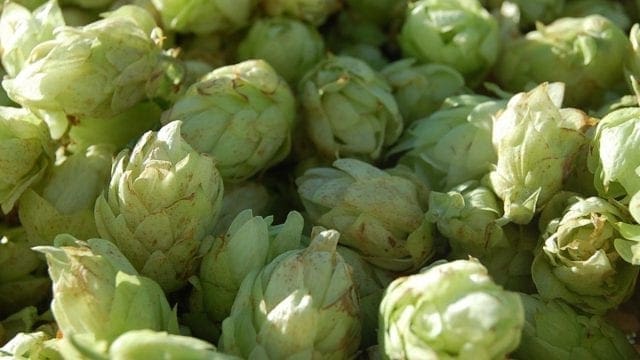
Definition: Humulene (alpha-humulene) is an earthy, woody terpene best known as the signature aroma of hops, the plant that flavors beer. It’s common in cannabis, often alongside its close chemical relative caryophyllene. Early lab and animal research suggests humulene may have anti-inflammatory properties, but human evidence is limited.
What Is Humulene?
Humulene is a sesquiterpene with the formula C15H24, the same formula as caryophyllene. The two are isomers, which is why older texts call humulene “alpha-caryophyllene” and why they often appear together in a strain’s terpene profile. It takes its name from Humulus lupulus, the Latin name for hops. Hops and cannabis are close botanical cousins in the Cannabaceae family.
What Does Humulene Smell Like?
Humulene smells earthy, woody, and herbal, with a slightly spicy edge. If you’ve noticed the “hoppy” note in an IPA, that’s largely humulene.
What Are the Effects of Humulene?
Most research is preclinical. Rodent studies have reported anti-inflammatory effects from oral alpha-humulene, and lab studies have looked at antibacterial activity. You’ll often see claims online that humulene suppresses appetite, the opposite of the classic “munchies.” That idea is popular but isn’t backed by solid human research, so treat it as unproven.
Where Is Humulene Found?
Besides hops and cannabis, humulene occurs in sage, basil, black pepper, cloves, ginseng, and ginger. In cannabis, levels vary widely between plants, so check a lab-tested terpene profile if you want to know how much a product contains.
See how humulene fits with other aromas in our guide to how terpene profiles affect your cannabis experience.
Related terms: Terpenes, Caryophyllene, Pinene, Entourage Effect
Sources: PubChem: Humulene; Russo EB, “Taming THC: potential cannabis synergy and phytocannabinoid-terpenoid entourage effects,” British Journal of Pharmacology, 2011.