
How to Grow Cannabis Indoors: A Step-by-Step Guide
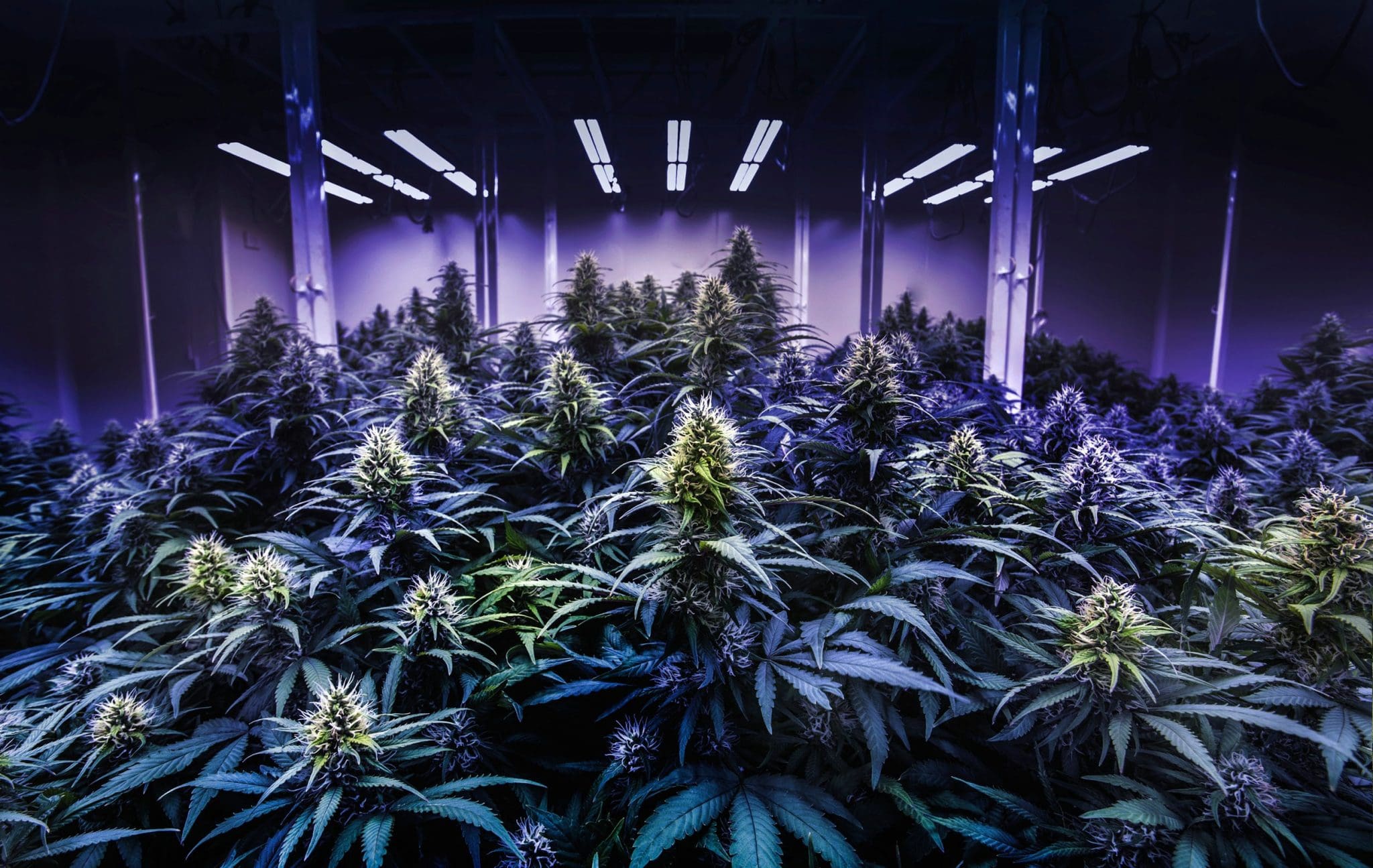
Quick answer: To grow cannabis indoors, set up a grow tent with an LED light, an exhaust fan, and a carbon filter. Start from seeds or clones, keep plants on an 18-hour light schedule during vegetative growth, then switch to 12 hours of light and 12 of uninterrupted darkness to trigger flowering. Feed lightly, check pH, harvest when trichomes turn cloudy to partly amber, then dry slowly and cure in jars.
Key takeaways
- Check your state and local law first. As of October 2026, home growing is legal for adults only in some states, with plant limits that vary.
- Your environment (light, airflow, humidity) matters more than any nutrient brand.
- Photoperiod plants flower when nights get long; autoflowers flower on their own.
- Most problems come from overwatering, overfeeding, and stagnant, humid air.
- Slow drying and patient curing protect aroma and help prevent mold.
Is It Legal to Grow Cannabis at Home?
It depends entirely on where you live. As of October 2026, some U.S. states let adults grow a small number of plants at home, some allow it only for registered medical patients, and others don’t allow it at all. States that permit home growing usually set plant limits per person and per household, require plants to be out of public view, and require you to keep them away from minors.
Rules also change, and cities or landlords may add their own restrictions. Before you buy any gear, read your state cannabis regulator’s home cultivation page. New York’s Office of Cannabis Management, for example, publishes a plain-language overview of what adults can and can’t do.
What Equipment Do You Need to Grow Cannabis Indoors?
A basic indoor setup has five parts. You don’t need a big budget, but you do need each piece to do its job.
| Component | What it does | Beginner tip |
|---|---|---|
| Grow tent | Reflects light, contains odor, and makes climate control easier | A 2×2 or 2×4 foot tent is plenty for one to four plants |
| Grow light | Replaces the sun | Full-spectrum LEDs run cooler and use less power than older HID lamps |
| Exhaust fan and carbon filter | Pulls out heat, humidity, and smell | Size the fan to swap the tent’s air at least once a minute |
| Clip fan | Moves air around the leaves | Aim for a gentle sway, not a windstorm |
| Timer, thermometer, hygrometer | Keeps the light schedule and tracks conditions | A cheap digital combo meter is enough |
Add pots with drainage holes (fabric pots help roots breathe), a quality potting mix or coco coir, a pH meter or test kit, and a jeweler’s loupe for checking trichomes at harvest.
How much light do you need? Research from the University of Guelph found that indoor cannabis yield kept climbing as light intensity increased, while cannabinoid concentration changed relatively little. For home growers, that means a stronger light usually means a bigger harvest, as long as heat stays under control.
Should You Start From Seeds or Clones?
Both work. The right choice depends on what’s available and legal where you live.
- Seeds give you a fresh start, free of pests. Feminized seeds are bred to produce female plants, which are the ones that make buds. Regular seeds produce males and females, and you’ll need to remove the males.
- Autoflowers switch to flowering based on age, not light. They’re compact and fast, which makes them forgiving for first grows. Our autoflower beginner’s guide covers them in depth.
- Clones are cuttings from a mother plant. They’re genetic copies and skip germination, but they can carry pests, mildew, or viruses from the source. Inspect them closely and keep new clones separate for a week or two.
What Are the Vegetative and Flowering Stages?
Photoperiod cannabis is a short-day plant. It grows leaves and stems while days are long, then flowers when the dark period gets long enough. Indoors, you control that switch with a timer.
| Stage | Typical length | Light schedule | Focus |
|---|---|---|---|
| Seedling | About 1 to 3 weeks | 18 hours on, 6 off | Gentle light, light watering, no heavy feeding |
| Vegetative | About 3 to 8 weeks (you choose) | 18 hours on, 6 off | Building roots and branches, training |
| Flowering | Often 8 to 10 weeks, varies by strain | 12 hours on, 12 off | Bud development, airflow, humidity control |
Keep the 12-hour dark period truly dark. Light leaks can stress plants and delay or disrupt flowering. Peer-reviewed photoperiod research on hemp found that some cultivars delayed flowering when day length crept even 15 minutes past their threshold, so precision matters. Plants also often stretch, sometimes doubling in height, during the first few weeks of flower, so switch before they outgrow your space.
Autoflowers are the exception. Most growers run them on a single long schedule, such as 18 hours on, from seed to harvest.
How Do You Feed and Water Indoor Cannabis?
Overwatering is the most common beginner mistake. Water thoroughly until a little runs out the bottom, then wait until the pot feels noticeably lighter and the top inch or so of the mix is dry before watering again.
For nutrients, start at a fraction of the label dose and increase slowly. Plants generally want more nitrogen during vegetative growth and more phosphorus and potassium during flowering. Many quality potting soils carry enough food for the first few weeks on their own.
pH matters because it controls which nutrients roots can absorb. Common grower guidance is to keep water around 6.0 to 7.0 for soil and roughly 5.5 to 6.5 for coco coir or hydroponic systems. If leaves show deficiencies even though you’re feeding, check pH before adding more nutrients.
What Are the Most Common Indoor Growing Problems?
Pests
Two-spotted spider mites love hot, dry conditions, which makes them a particular risk indoors. Look for tiny yellow stippling on leaves and fine webbing, and check leaf undersides often. Fungus gnats are another regular visitor, usually a sign the mix is staying too wet.
Mold and bud rot
Bud rot, caused by the gray mold fungus Botrytis cinerea, thrives at cool-to-moderate temperatures (around 65 to 75°F) with high humidity. NC State Extension recommends good spacing, airflow, sanitation, and keeping greenhouse humidity below 50% to reduce risk. Dense buds in late flower are the most vulnerable, so watch humidity closely in the final weeks. Powdery mildew, which looks like white flour on leaves, is another common humid-air problem.
Nutrient burn
Burnt, crispy leaf tips that start yellow and turn brown usually mean too much fertilizer. Cut back the dose, and water with plain pH-adjusted water for a feeding or two.
| Symptom | Likely cause | First fix |
|---|---|---|
| Drooping, heavy pots | Overwatering | Water less often |
| Brown, crispy leaf tips | Nutrient burn | Reduce feeding |
| Speckled leaves, webbing | Spider mites | Isolate, inspect, treat early |
| Gray fuzz inside buds | Bud rot | Remove affected buds, lower humidity |
| Bleached tops near the light | Light too close or too strong | Raise or dim the light |
Growing in Small Spaces
You can grow in a closet, a cabinet, or a small 2×2 foot tent. Microgrowing just means scaling everything down and managing heat and height carefully.
- Choose compact genetics. Autoflowers and naturally short, bushy strains fit small spaces best.
- Train early. Topping (pinching the main stem) and low-stress training (gently bending and tying branches) create a flat, even canopy instead of one tall cola.
- Flip early. With photoperiod plants, switch to 12/12 when plants reach about half your usable height to leave room for the flowering stretch.
- Watch heat. Small spaces heat up fast. A small inline fan and a low-wattage LED keep temperatures stable.
- Control odor. A carbon filter matters more in a closet than in a garage.
- Grow fewer, healthier plants. One or two well-trained plants usually beat four crowded ones.
How Do You Harvest, Dry, and Cure Indoor Cannabis?
Check trichomes with a loupe. Clear trichomes mean the plant isn’t ready. NC State Extension suggests harvesting hemp when about 20 to 30% of trichomes have turned amber, with most of the rest cloudy. Check the buds, not the sugar leaves, which tend to amber earlier.
To dry, hang branches in a dark room with gentle airflow that isn’t blowing directly on them. Oregon State University Extension cites about 64 to 70°F (18 to 21°C) and 50 to 55% relative humidity for slow drying. When small stems snap instead of bending, trim and move on.
Curing comes next. Fill glass jars about three-quarters full, store them somewhere cool and dark, and open them briefly each day for the first week or two to release moisture. If buds feel damp or smell like ammonia, leave the lids off for a while. Store finished buds away from light, air, and heat, which can degrade cannabinoids over time.
Planning a garden instead? See our outdoor cannabis growing guide.
Frequently Asked Questions
How long does it take to grow cannabis indoors?
Most indoor grows take about three to five months from seed to harvest, plus a few weeks for drying and curing. Autoflowers can finish faster, often around ten to twelve weeks from seed. Photoperiod plants take as long as you choose to keep them in the vegetative stage plus a flowering period that often runs eight to ten weeks, depending on the strain.
What’s the best light schedule for indoor cannabis?
The standard approach is 18 hours of light and 6 of darkness during seedling and vegetative growth, then 12 hours of light and 12 of uninterrupted darkness to trigger and sustain flowering. Autoflowers don’t need the switch and are usually kept on one long schedule from start to finish. Use a timer so the schedule never drifts.
How many plants can I grow at home?
That depends on your state. As of October 2026, states that allow home growing set their own plant limits, often per adult and per household, and some allow it only for medical patients. Many states don’t permit home cultivation at all. Check your state cannabis regulator’s website and any local rules before you start.
Why are my cannabis leaves turning yellow?
Yellowing can come from overwatering, a pH that’s out of range, a nitrogen shortage, or normal aging late in flower. Start by checking how wet the pots stay and testing your water’s pH. Lower leaves yellowing during the last weeks of flowering is common and usually nothing to worry about.
Do I need a grow tent?
Not strictly, but a tent makes indoor growing much easier. It reflects light back onto plants, contains smell, and lets one exhaust fan control heat and humidity. Growers do succeed in closets and cabinets, but you’ll need to add reflective surfaces, block light leaks, and plan your ventilation carefully.
Sources: Oregon State University Extension: Post-harvest processing of hemp flowers; NC State Extension: Gray mold of industrial hemp; NC State Extension: Hemp harvest timing and drying; Rodriguez-Morrison et al., Frontiers in Plant Science (2021): Cannabis yield, potency, and leaf photosynthesis respond differently to increasing light levels; New York Office of Cannabis Management: Home cultivation FAQ