
Botrytis Cinerea
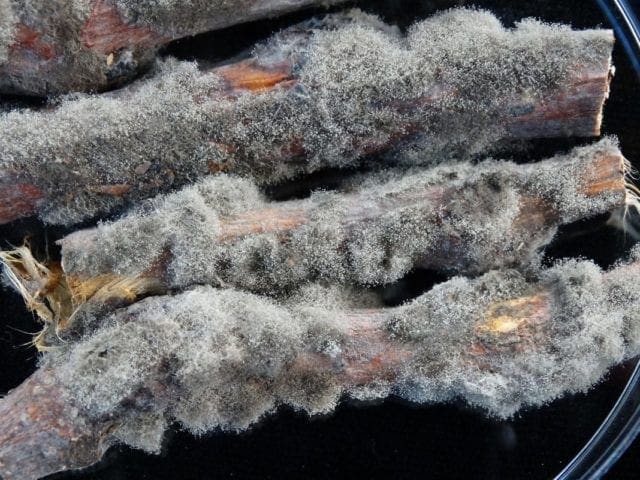
Definition: Botrytis cinerea is a fungus that causes gray mold on hundreds of plant species, including cannabis, grapes, and strawberries. In cannabis, it’s the main cause of bud rot, attacking dense flowers in humid conditions late in the growing season. It spreads through airborne spores and is one of the most damaging diseases for cannabis growers.
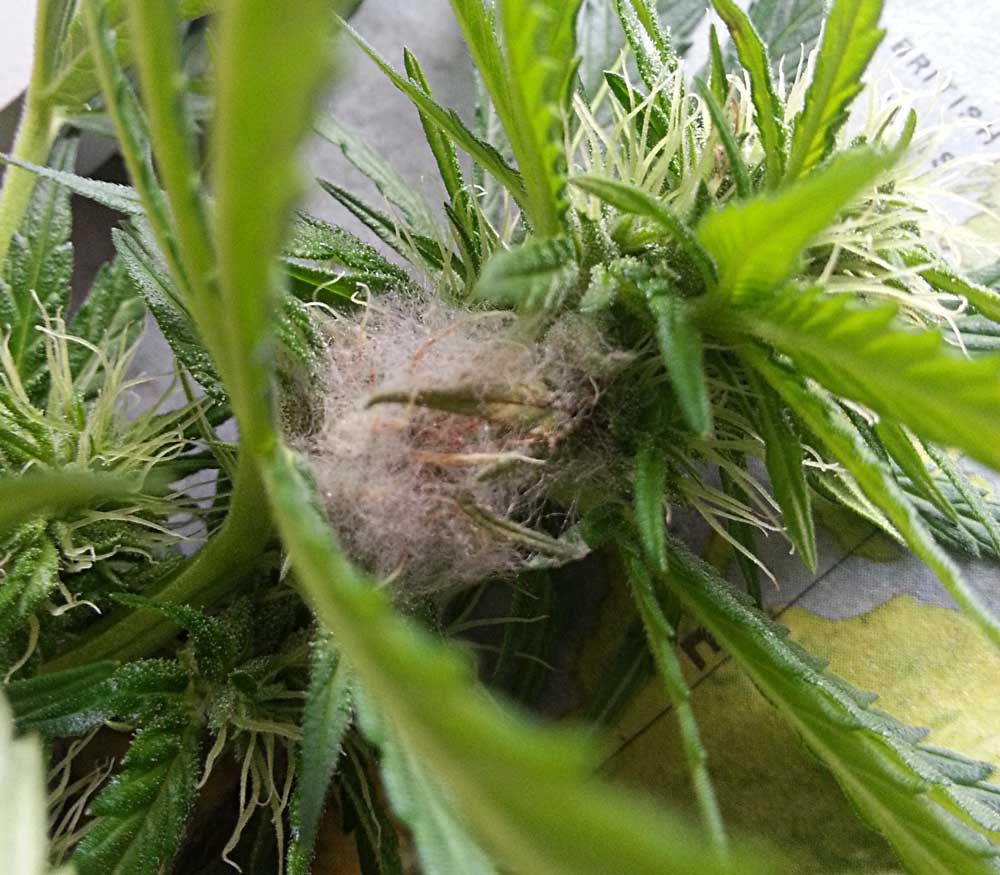
Bud rot is moldy weed
How Does Botrytis Cinerea Spread?
Botrytis produces huge numbers of spores that travel on air currents, water splash, tools, and clothing. It’s a necrotrophic fungus, meaning it kills plant tissue and then feeds on it. It favors cool temperatures and high humidity, and it often enters through damaged or dying tissue.
What Does Botrytis Do to Cannabis?
In cannabis, Botrytis causes bud rot, rotting flowers from the inside so damage often isn’t visible until it’s advanced. It can also cause stem rot and damping-off in seedlings and clones. A single infected bud can spread spores to the rest of a crop.
Is Botrytis Ever Useful?
Surprisingly, yes, but not for cannabis. Under specific conditions on wine grapes, Botrytis causes “noble rot,” which concentrates sugars and is used to make prized dessert wines like Sauternes and Tokaji.
How Do Growers Control Botrytis?
Prevention is the main tool: control humidity, maximize airflow, avoid wetting buds, sanitize tools, and remove infected material right away. Licensed cannabis growers face strict limits on fungicides, and some, like myclobutanil, are banned for cannabis in many states. Finished products are tested for mold before they can be sold.
Related terms: Bud Rot, Myclobutanil, Clone
Sources: National Institute on Drug Abuse: Cannabis (Marijuana).