
How to Grow Cannabis Outdoors: From Planting to Harvest
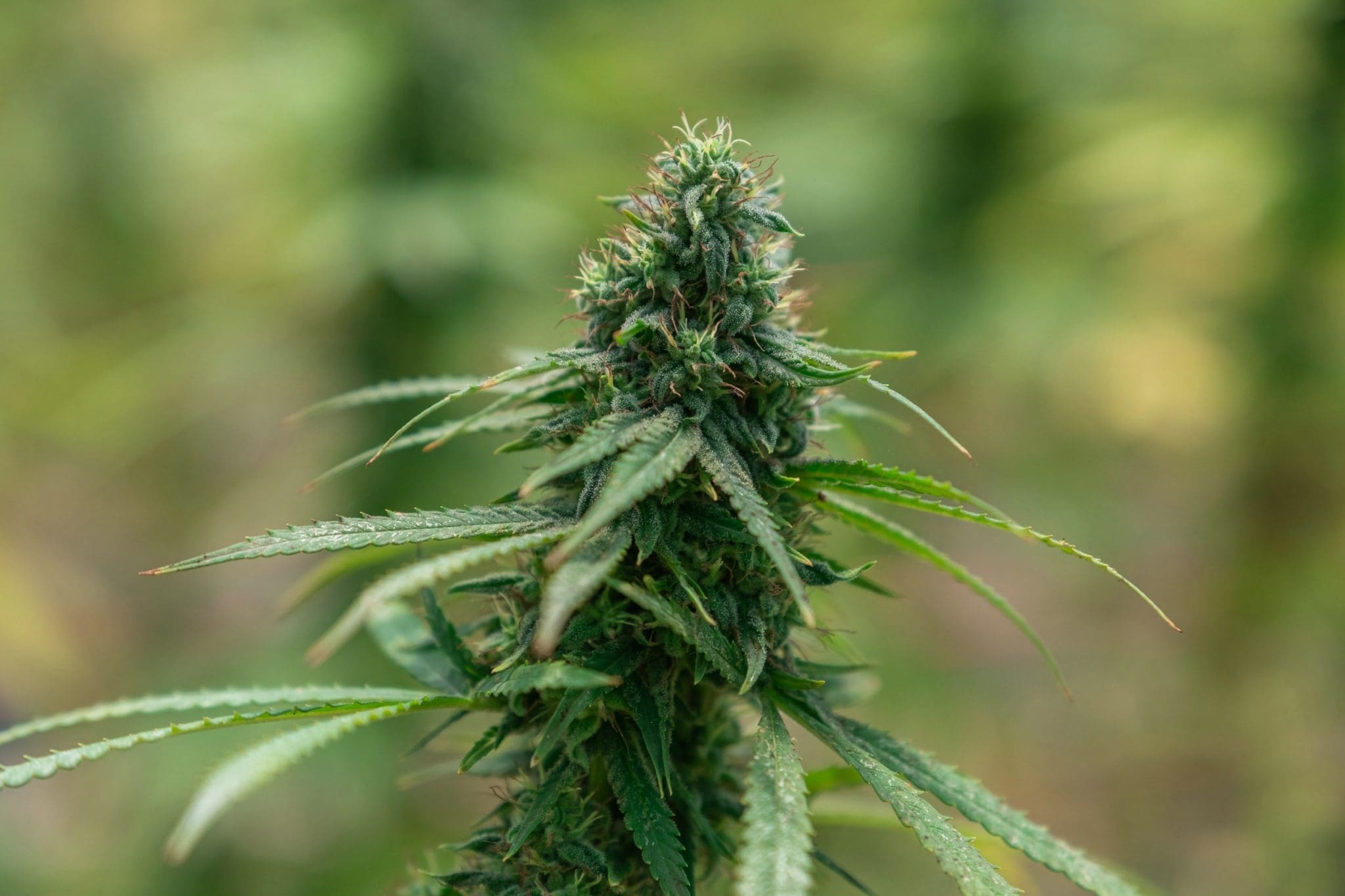
Quick answer: To grow cannabis outdoors, plant in a sunny, private spot with well-drained soil after your last spring frost. Photoperiod plants grow through summer and start flowering as nights lengthen in late summer, usually finishing in early to mid fall. Water deeply but not constantly, scout for pests and mold, harvest when trichomes turn cloudy with some amber, then dry slowly and cure in jars.
Key takeaways
- As of October 2026, outdoor home growing is legal only in some states, and many require plants to be hidden from public view.
- Sun, drainage, and airflow matter more than fancy inputs.
- Your local climate decides which strains will finish before fall rain and frost.
- Bud rot is the biggest late-season threat in humid regions.
- Harvest by trichomes, not by the calendar alone.
Can You Legally Grow Cannabis Outside?
Only in some places. As of October 2026, some states allow adults to grow a limited number of plants at home, some limit it to medical patients, and many prohibit it. Where outdoor growing is allowed, rules commonly require plants to be on your own property or with the owner’s permission, out of public view, and secured from minors. Some cities and HOAs add their own restrictions.
Check your state cannabis regulator’s home cultivation rules before you plant. New York’s Office of Cannabis Management, for example, publishes a home cultivation FAQ that covers plant limits and where plants can be grown.
How Do You Choose the Best Outdoor Growing Spot?
Look for a site that checks these boxes:
- Full sun. Aim for at least six hours of direct sun, and more is better. South-facing spots in the Northern Hemisphere get the most light.
- Morning sun and airflow. Early sun dries dew off leaves, and a breeze keeps buds from staying damp. Both help prevent mold.
- Good drainage. Roots rot in soggy ground. If water pools after rain, use raised beds or large containers.
- Privacy and security. Fences, hedges, or companion plants can keep plants out of sight, which many states require.
- Water access. You’ll be watering often in midsummer, so stay near a hose or rain barrel.
When Should You Plant Cannabis Outdoors?
Plant after your area’s last frost date, once nights stay reliably above about 50°F. For many U.S. growers that falls between mid-spring and early summer. Your local university extension office publishes frost dates for your area.
Timing matters because photoperiod cannabis is a short-day plant. It grows vegetatively while days are long and starts flowering as day length shortens after the summer solstice. Peer-reviewed research from the University of Florida found that hemp cultivars have specific day-length thresholds, with some flowering noticeably later when days ran just 15 minutes longer than their trigger point. The same study found that cultivars sold under the same name but from different sources behaved differently, a good reminder that strain names aren’t guarantees.
| Season | Typical stage | Main tasks |
|---|---|---|
| Early spring | Germination indoors | Start seeds under light, harden off seedlings |
| Late spring | Transplant | Plant after last frost, protect from wind and pests |
| Summer | Vegetative growth | Water deeply, feed, train, scout weekly |
| Late summer | Flowering begins | Switch to bloom feeding, watch for caterpillars |
| Fall | Ripening and harvest | Check trichomes, protect from rain and frost |
Autoflowers don’t follow day length. They finish in a set number of weeks, so you can plant them later or grow two rounds in a long season. See our autoflower beginner’s guide for details.
How Does Climate Affect Outdoor Cannabis?
Climate is the biggest factor in strain choice. Cannabis grows well in warm days and mild nights, roughly 70 to 85°F during the day. Long heat waves above 90°F can slow growth and stress plants, so provide shade cloth or extra water during spikes.
The bigger risk is the end of the season. In regions with wet, cool falls, such as the Pacific Northwest or the Northeast, choose fast-finishing strains or autoflowers so buds are done before rain and frost. In long, dry seasons, later-finishing strains have more time to ripen. Local growers and seed sellers often report which strains finish well in your area, but results vary by grower.
What Soil and Watering Does Outdoor Cannabis Need?
Cannabis prefers loose, well-drained soil rich in organic matter. Common guidance is a slightly acidic to neutral pH, roughly 6.0 to 7.0. A simple soil test from your county extension office will tell you your pH and what nutrients you’re missing.
- In-ground beds: Dig a wide hole and mix in compost. Heavy clay benefits from extra organic matter and raised mounds.
- Containers: Use large fabric pots, ideally 15 gallons or more, filled with a quality potting mix. Bigger pots hold water longer in summer.
Water deeply and less often rather than a little every day. Let the top couple inches of soil dry before watering again. A layer of mulch keeps moisture steady and roots cool. Feed with more nitrogen during summer growth, then shift to a bloom-focused fertilizer once flowers form. Too much nitrogen late in the season creates leafy, dense growth that’s more prone to mold.
How Do You Prevent Pests and Mold Outdoors?
Common pests
Outdoor plants face caterpillars (such as budworms, which tunnel into buds), aphids, spider mites in hot dry spells, and larger visitors like deer and rabbits. Scout weekly, especially leaf undersides. Remove caterpillars by hand, use fencing for animals, and act early before populations explode.
Bud rot and gray mold
Bud rot is caused by Botrytis cinerea. Utah State University Extension notes it spreads with cool temperatures (65 to 75°F), humidity, and moisture from rain or irrigation, and that a week or more of humid weather raises the risk. Infections can’t be reversed, so prevention is everything:
- Space plants for airflow and thin out dense interior leaves.
- Water at the base in the morning, not over the top.
- Shake off or gently dry buds after heavy rain.
- Inspect the largest colas often in fall and remove any brown, mushy, or gray-fuzzed sections right away, cutting well below the damage.
- Choose strains reported to be mold-resistant if your falls are wet.
When Is Outdoor Cannabis Ready to Harvest?
Look at the trichomes, the tiny resin glands on buds, with a jeweler’s loupe or small microscope.
| Trichome appearance | What it means |
|---|---|
| Mostly clear | Not ready yet |
| Mostly cloudy | Approaching or at peak ripeness |
| Cloudy with some amber | Common harvest window |
| Heavily amber | Late harvest |
NC State Extension suggests harvesting hemp when about 20 to 30% of trichomes have turned amber, and notes that trichomes mature unevenly across a plant. Outdoors, you may need to balance ideal ripeness against incoming weather. If a long rainy stretch is forecast and buds are close, harvesting a few days early beats losing the crop to mold.
How Do You Dry and Cure an Outdoor Harvest?
Outdoor plants can be big, so plan your drying space before harvest day. Cut branches, remove large fan leaves, and hang them in a dark, ventilated room. Oregon State University Extension cites slow drying at about 64 to 70°F (18 to 21°C) and 50 to 55% relative humidity. Keep fans moving room air without blowing directly on the buds.
When small stems snap, trim and move buds into glass jars for curing. Open jars briefly each day for the first week or two, then less often. Once dry, keep buds dry: NC State Extension warns that dried hemp will reabsorb moisture and can mold if stored in humid conditions. Store jars somewhere cool and dark.
Want to grow year-round instead? Our indoor cannabis growing guide covers tents, lights, and ventilation.
Frequently Asked Questions
When do outdoor cannabis plants start flowering?
Photoperiod plants usually begin flowering in late summer, as nights lengthen after the summer solstice. Exact timing depends on your latitude and the strain, since different cultivars respond to different day lengths. Most outdoor photoperiod plants in the U.S. are harvested from about September through October, while autoflowers finish on their own schedule regardless of day length.
How much sun does outdoor cannabis need?
Aim for at least six hours of direct sunlight a day, and ideally more. Plants in partial shade will still grow, but they tend to stretch and produce smaller, airier buds. Morning sun is especially helpful because it dries dew and rain off leaves and buds early, which lowers the risk of mold.
Can I grow cannabis outdoors in a cold climate?
Yes, with the right choices. Pick fast-finishing or autoflowering strains, start seeds indoors to get a head start, and use containers you can move under cover during early frost or heavy rain. A simple hoop house or greenhouse can extend your season by several weeks in spring and fall.
How do I keep my outdoor grow private?
Many states require plants to be out of public view. Use solid fencing, tall hedges, or companion plants like sunflowers and tomatoes to screen your garden. Training techniques that keep plants low and wide also help. Check your state’s specific rules about visibility, locking, and growing on rented property.
What does bud rot look like?
Bud rot often starts inside dense colas, so early signs are easy to miss. Look for a single leaf turning yellow or brown and wilting from the center of a bud, then brown, mushy tissue and eventually gray fuzzy mold. Remove infected sections immediately, cutting well below the damage, and don’t let them touch healthy buds.
Sources: NC State Extension: Hemp harvest timing and drying; Zhang et al., Frontiers in Plant Science (2021): Photoperiodic flowering response of hemp cultivars; Utah State University Extension: Hemp bud rot; Oregon State University Extension: Post-harvest processing of hemp flowers; New York Office of Cannabis Management: Home cultivation FAQ