
Shatter
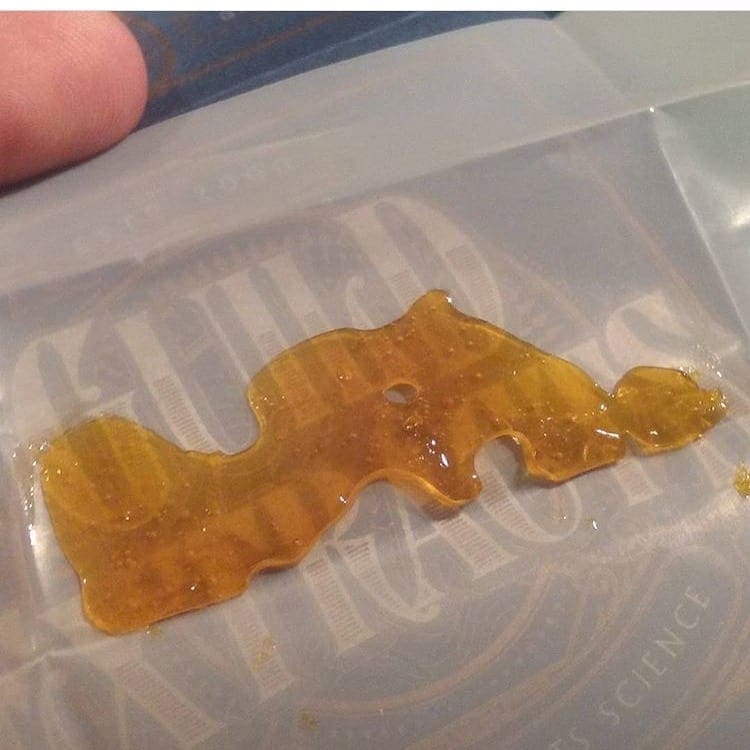
Definition: Shatter is a translucent, glass-like cannabis concentrate that snaps or “shatters” when you break it. It’s usually made by extracting cannabinoids and terpenes with butane, then purging the solvent under heat and vacuum. Shatter is far stronger than flower: solvent-based concentrates average roughly 54% to 69% THC.
How Is Shatter Made?
Most shatter is a type of butane hash oil (BHO). Producers run liquid butane through cannabis to dissolve the resin from the trichomes, then remove the butane in a vacuum oven. Leaving the oil undisturbed while it cools lets it set into a smooth, stable sheet. Licensed labs use sealed closed-loop systems for this. Amateur butane extraction is a well-documented cause of explosions and severe burns.
What Is the Difference Between Shatter and Wax?
They start from the same oil. Shatter stays clear and brittle because its molecules stay still as it sets. If the oil is whipped, heated, or exposed to moisture, it crystallizes into opaque, softer textures like wax, budder, or crumble. Shatter can also “sugar” over time if stored warm. Texture doesn’t reliably tell you potency.
How Do You Use Shatter?
Most people dab it, touching a small piece to a heated nail on a dab rig, or vaporize it in a wax pen or nectar collector. Some people crumble it over a bowl or joint. A dab the size of a grain of rice is plenty for most people.
Is Shatter Safe?
The main risk is potency. Very high THC doses raise the chance of anxiety, paranoia, rapid heart rate, and, in vulnerable people, psychosis, according to the National Institute on Drug Abuse. Poorly purged products from unlicensed sources may also contain leftover solvents or pesticides, so stick to lab-tested shatter from licensed retailers.
Related terms: Concentrates, BHO, Live Resin, Rosin
Sources: NIDA: Cannabis Concentrates DrugFacts; DEA Drug Fact Sheet: Vaping and Marijuana Concentrates.