
Clone
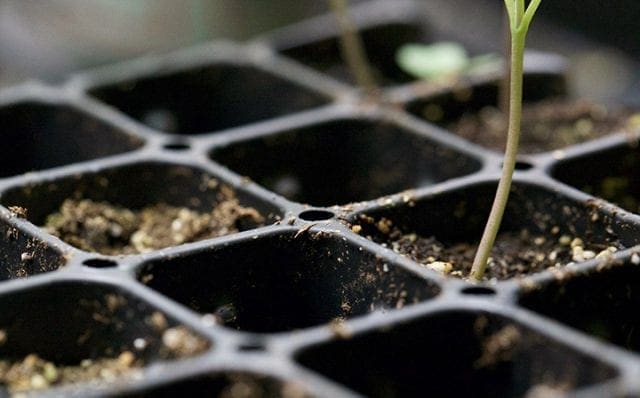
Definition: A cannabis clone is a cutting taken from a mother plant and grown its own roots, producing a genetically identical copy. Because the mother is female, clones are female too, so growers skip the uncertainty of seeds. Cloning is how most commercial strains stay consistent from harvest to harvest.
How Does Cannabis Cloning Work?
- Choose a healthy mother plant in its vegetative stage.
- Cut a branch tip a few inches long, just below a leaf node, at an angle.
- Dip the cut end in rooting hormone and place it in a moist starter cube or soil.
- Keep it warm and humid, often under a dome, with gentle light.
- Transplant once roots develop, usually within one to three weeks.
Why Do Growers Use Clones Instead of Seeds?
- Consistency: every clone shares the mother’s genetics, aroma, and cannabinoid profile
- Guaranteed females: no male plants to find and remove
- Speed: clones skip germination and reach flowering sooner
What Are the Risks of Clones?
Clones inherit everything from the mother, including pests and diseases. Hop latent viroid (HLVd), a pathogen that stunts plants and reduces resin production, spreads easily through infected cuttings and shared tools, and it has become a major problem in commercial cannabis. Buy clones only from reputable, tested sources, quarantine new plants, and sterilize cutting tools. Mother plants can also lose vigor over many generations of cloning.
Are Clones Legal to Buy?
Many legal adult-use states let licensed dispensaries or nurseries sell clones to adults who are allowed to grow at home. Rules vary, so check your state’s home-grow laws first.
Related terms: Strains, Hybrid, Bud Rot, Botrytis Cinerea
Sources: California Department of Cannabis Control: What’s Legal.