
Strains
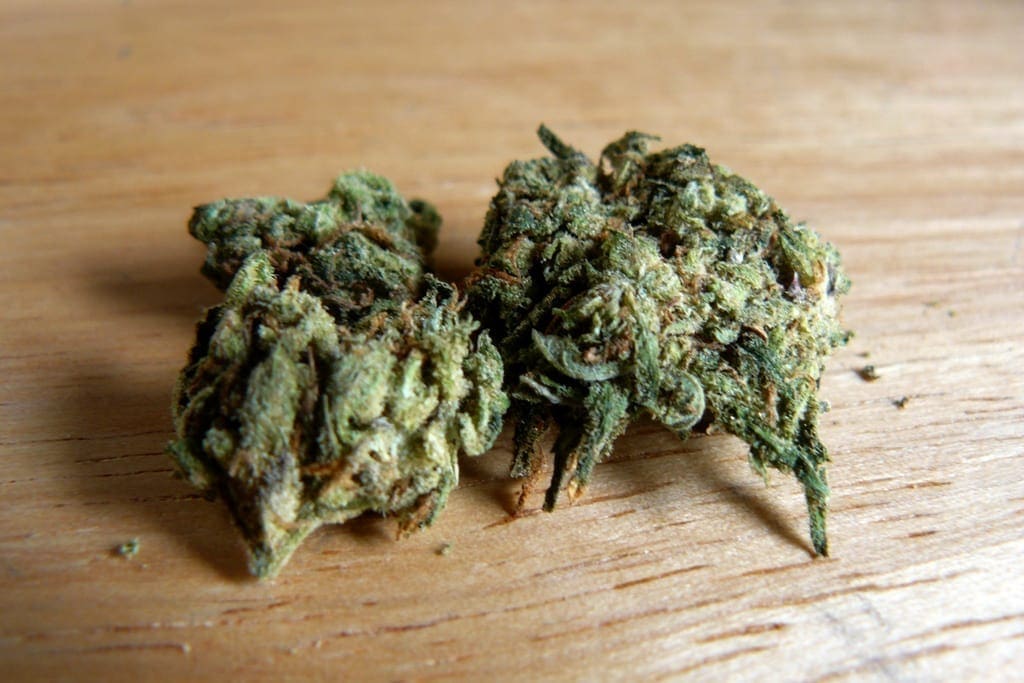
Definition: A cannabis strain, also called a cultivar, is a named variety of cannabis bred for particular traits like aroma, flavor, potency, or growth habits. Thousands of strains are sold under names like Blue Dream or OG Kush. Strains are usually labeled indica, sativa, or hybrid, but research shows those labels often don’t predict a product’s chemistry or effects.
How Are Cannabis Strains Created?
Breeders cross parent plants with desirable traits, then select and stabilize the offspring over generations. Many strains are propagated from cuttings, or clones, of a single mother plant to keep traits consistent. Because naming isn’t regulated, the same name can describe different plants from different growers.
Do Indica and Sativa Labels Mean Anything?
Botanically, indica and sativa describe plant shape and origin: broad-leaf, short plants versus tall, narrow-leaf plants. In stores, they’re used as shorthand for relaxing versus energizing effects. A 2022 study in PLOS ONE that analyzed tens of thousands of lab-tested products found those labels didn’t reliably match their chemical profiles. Most modern cannabis is a hybrid anyway.
What Should You Look At Instead of the Strain Label?
- Cannabinoid content: THC and CBD percentages and their ratio
- Terpene profile: the dominant terpenes, like myrcene, limonene, or caryophyllene
- Your own response: keep notes on what works for you, since effects vary from person to person
For a deeper look, read how terpene profiles affect your cannabis experience and our roundup of the top cannabis strains of the year.
Related terms: Indica, Sativa, Hybrid, Terpenes
Sources: Smith CJ et al., “The phytochemical diversity of commercial Cannabis in the United States,” PLOS ONE, 2022; Russo EB, British Journal of Pharmacology, 2011.