Vaping vs Smoking Cannabis: What the Research Actually Shows
Quick answer: Vaping cannabis avoids burning plant material, so it produces far fewer combustion byproducts than smoking and is often easier on the throat. That doesn’t make it safe. Vaping can deliver a stronger effect from the same dose, illicit THC cartridges were tied to the 2019 EVALI lung injury outbreak, and long-term research is limited. Vaping licensed dry flower is the lower-risk inhaled option.
Key takeaways
- Smoke from burning cannabis contains tar and many non-cannabinoid compounds; vapor contains far fewer.
- A controlled study found vaping produced stronger effects and higher blood THC than smoking the same dose.
- Most EVALI cases were linked to THC vape products from informal sources, often containing vitamin E acetate.
- “Less harmful” is not “harmless.” Any inhaled product can affect your lungs.
What’s the difference between vaping and smoking cannabis?
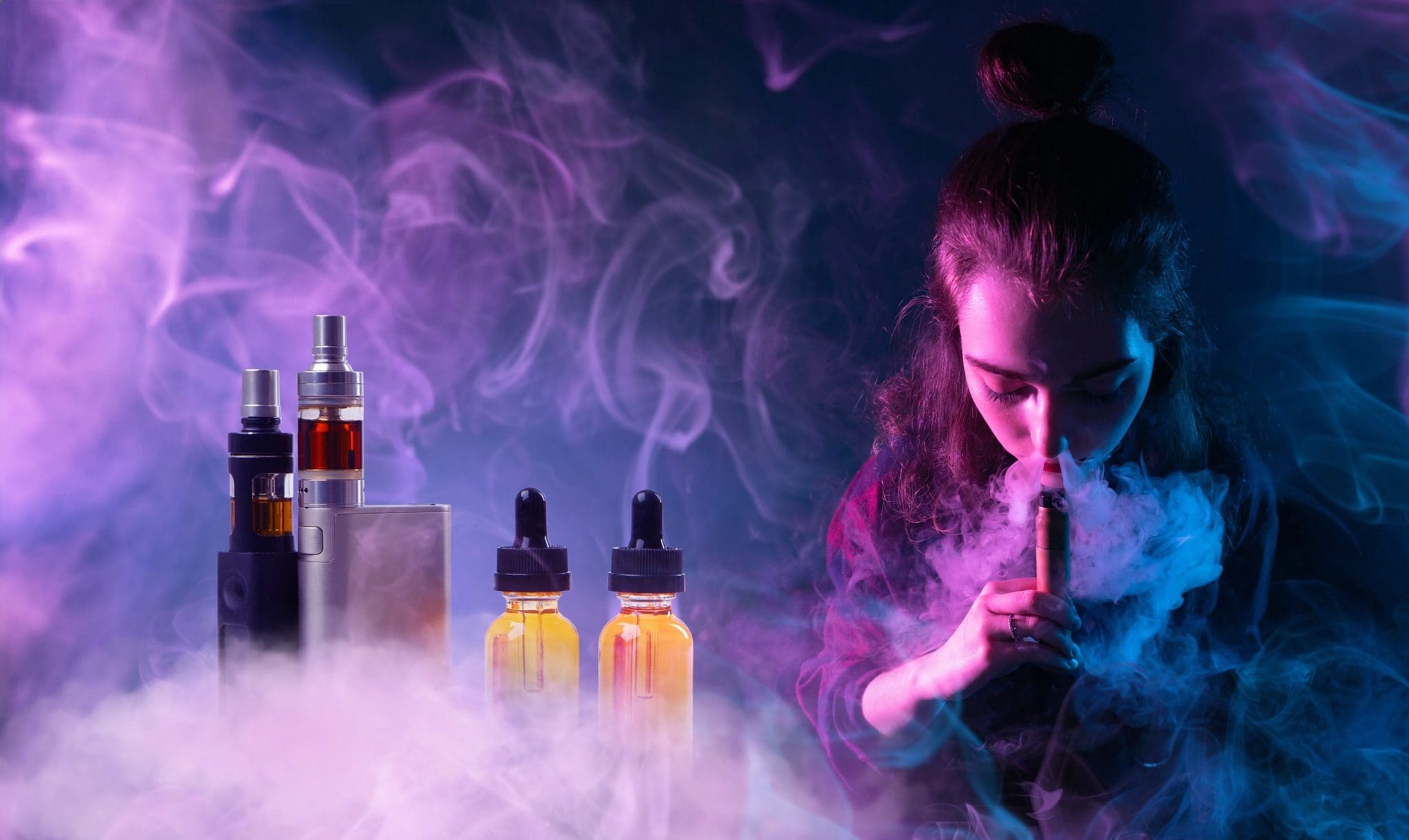
Smoking means burning cannabis and inhaling the smoke. Vaping means heating cannabis below the point where it burns, releasing cannabinoids and terpenes as an aerosol. You can vape dry herb in a vaporizer or vape cannabis oil in a cartridge or vape pen.
Those two kinds of vaping carry different risks. Dry herb vaporizers heat the plant itself. Oil cartridges heat an extract that may include added thinners, flavorings, or other ingredients, and that’s where many of the biggest safety problems have come from.
Is vaping cannabis healthier than smoking it?
Vaping removes combustion, and that’s a real advantage. Burning plant material creates tar and a large mix of byproducts. An early analysis backed by the Multidisciplinary Association for Psychedelic Studies and California NORML found that vapor from a dry herb vaporizer was made up mostly of THC, while combusted smoke contained more than 100 other components. That study was small and sponsored by advocacy groups, so treat it as supportive rather than definitive.
The CDC says smoked cannabis can damage lung tissue and small blood vessels. Avoiding smoke likely reduces some of that harm, but there’s limited long-term research on what regular vaping does to the lungs. And vaping concentrates at very high temperatures can create harmful compounds of its own. Researchers at Portland State University have detected methacrolein and benzene when cannabis terpenes are heated to dabbing temperatures.
Does vaping get you higher than smoking?
For many people, yes. In a 2018 study published in JAMA Network Open, researchers at Johns Hopkins gave 17 adults who rarely used cannabis doses of 0, 10, or 25 mg of THC, both smoked and vaporized. Vaporized cannabis produced stronger drug effects, greater impairment on cognitive and motor tasks, and higher blood THC levels than the same dose smoked. At the 25 mg dose, peak blood THC averaged 14.4 ng/mL vaporized versus 10.2 ng/mL smoked.
Some participants had paranoia and anxiety at the higher dose, and two vomited. Impairment also outlasted measurable blood THC. The practical lesson: if you switch from joints to a vaporizer, start with fewer draws than you’d expect. Our vaporizer temperature guide explains how to start gently.
What was EVALI and is it still a risk?
EVALI stands for e-cigarette, or vaping, product use-associated lung injury. The outbreak peaked in September 2019. By February 2020, the CDC had counted 2,807 hospitalized cases or deaths across all 50 states and U.S. territories, including 68 confirmed deaths.
The CDC identified vitamin E acetate as strongly linked to the outbreak. It was found in lung fluid samples from 48 of 51 EVALI patients studied, and not in a healthy comparison group. Vitamin E acetate is generally harmless in supplements or on skin, but inhaled, it may interfere with normal lung function. Among patients who used THC products and reported where they got them, 78% obtained them only from informal sources such as friends, dealers, or online sellers.
The lesson still applies: avoid THC cartridges from unlicensed sources, never add anything to a vape product, and buy from a licensed dispensary where products are lab tested. Watch for symptoms such as cough, shortness of breath, chest pain, nausea, or fever after vaping, and see a doctor if they appear.
How do vaping and smoking compare side by side?
| Factor | Smoking | Vaping dry herb | Vaping oil cartridges |
|---|---|---|---|
| Combustion | Yes | No, if kept under about 230 °C (446 °F) | No |
| Byproducts | Tar and many combustion compounds | Far fewer, mostly cannabinoids and terpenes | Depends on ingredients, additives, and heat |
| Strength at same dose | Baseline | Stronger in controlled research | Concentrated, often strong |
| Main risks | Lung irritation and damage | Limited long-term data | Illicit products and additives; EVALI link |
| Odor | Strong, lingering | Milder | Mildest |
How can you lower your risk if you inhale cannabis?
- Choose licensed, lab-tested products and check the certificate of analysis.
- Prefer dry herb vaporizers at moderate temperatures over smoking.
- Avoid unlicensed cartridges and anything with added thinners or flavors.
- Take fewer, smaller draws, and wait before taking more.
- Keep your device clean. See our guide to cleaning and maintaining your vaporizer.
- Consider non-inhaled options. Our cannabis consumption methods guide compares edibles, tinctures, and more.
Frequently Asked Questions
Is vaping weed bad for your lungs?
It’s likely less harmful than smoking because there’s no combustion, but it isn’t proven safe. Long-term research on regular cannabis vaping is limited, and illicit oil cartridges have caused serious lung injuries. If you have asthma or another lung condition, talk with a healthcare provider before inhaling any cannabis product.
Are dry herb vaporizers safer than vape pens?
Dry herb vaporizers heat only the plant, so there are no added thinners or flavorings. Oil cartridges contain extracts whose ingredients depend on the maker, and illicit cartridges were tied to EVALI. Licensed, tested cartridges are lower risk than illicit ones, but dry herb leaves fewer unknowns.
Why does vaping feel stronger than smoking?
One likely reason is that burning destroys some THC and lets some escape as sidestream smoke, while vaporizers deliver cannabinoids more efficiently. In the 2018 Johns Hopkins study, the same dose produced higher blood THC and stronger effects when vaporized. Many people are surprised by this when they switch.
Does vaping cannabis smell less?
Usually. Vapor is less dense than smoke and doesn’t carry the burnt smell that clings to clothes and rooms. Dry herb still has a noticeable aroma, especially when you open the chamber. Discretion aside, follow local laws and building rules about where you can use cannabis.
Sources: Spindle et al., Acute Effects of Smoked and Vaporized Cannabis in Healthy Adults Who Infrequently Use Cannabis, JAMA Network Open (2018); CDC: Outbreak of Lung Injury Associated with E-Cigarette, or Vaping, Products; CDC: Cannabis Health Effects; Meehan-Atrash et al., Toxicant Formation in Dabbing: The Terpene Story, ACS Omega (2017)
This article is for general education and isn’t medical advice. Talk to a healthcare provider before using cannabis for a health condition.