
Limonene: The Citrus Terpene in Cannabis
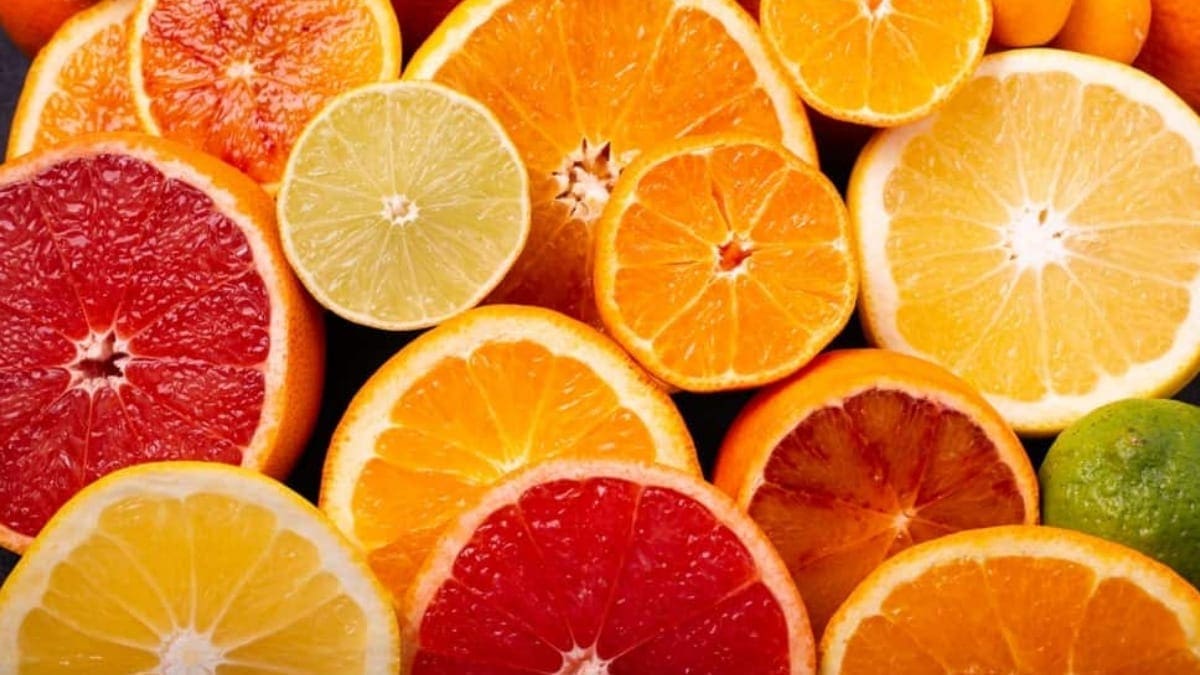
Quick answer: Limonene is a citrus-scented monoterpene found in lemon and orange peels and in many cannabis strains. In US lab data it ranks among the most abundant cannabis terpenes. A small 2024 Johns Hopkins study found vaporized d-limonene reduced THC-related anxiety at a high THC dose, but human research is still early, and claims that limonene treats cancer or depression are unproven.
Key takeaways
- Limonene gives cannabis a bright lemon, orange or citrus-peel smell.
- It’s one of the three most abundant terpenes in US commercial cannabis.
- One small human trial suggests it may soften THC-induced anxiety.
- Oxidized limonene is a known skin allergen, and pure limonene can irritate skin.
- Check the COA to see how much a product actually contains.
What is limonene?
Limonene is a monoterpene, one of the aromatic compounds made in the trichomes of the cannabis plant. It exists in two mirror-image forms. D-limonene is the one most people know, with a sweet orange and lemon scent. L-limonene smells more piney and turpentine-like. When cannabis research talks about limonene, it’s usually d-limonene.
Limonene is one of several terpenes that shape a strain’s aroma, along with myrcene, linalool, pinene, caryophyllene and terpinolene.
What does limonene smell like?
Think fresh citrus peel: lemon, orange, lime or grapefruit, sharp and clean. Because limonene is used to flavor drinks, candy and cleaning products, the smell is instantly familiar to most people. In cannabis it often blends with peppery caryophyllene or earthy myrcene, giving you “lemon pepper,” “orange cream” or “sour fuel” type aromas.
Where is limonene found?
Limonene is one of the most common terpenes in nature. The richest sources are citrus peels, where it makes up most of the essential oil. You’ll also find it in:
- Lemons, oranges, limes, grapefruit and tangerines (mainly the peel)
- Juniper, rosemary and peppermint
- Some conifers, like spruce and fir
In cannabis, a 2022 PLOS ONE analysis of lab results from US commercial products (Smith and colleagues) identified limonene as one of the three most abundant terpenes, along with myrcene and beta-caryophyllene. One of the study’s three main terpene clusters was defined by high caryophyllene and limonene.
What does research show about limonene’s effects?
Lab and animal research
Ethan Russo’s 2011 review in the British Journal of Pharmacology summarized animal studies in which limonene acted as an anti-anxiety agent in mice. Limonene has also been studied in cells and animals for anti-inflammatory and anti-tumor activity. Those early results are interesting, but they don’t show that limonene prevents or treats cancer in people, and nobody should use it that way.
Human research
The most relevant human study is a 2024 Johns Hopkins trial published in Drug and Alcohol Dependence. In a double-blind crossover design, 20 healthy adults who occasionally use cannabis vaporized THC with and without d-limonene. Combining 30 mg THC with 15 mg d-limonene significantly reduced ratings of feeling anxious, nervous and paranoid compared with 30 mg THC alone. Limonene by itself didn’t produce effects different from placebo.
That’s encouraging, but it’s one small study at doses you won’t find in a single hit of flower. The authors called for larger, more diverse studies, and Johns Hopkins has filed a patent on the approach. Russo also notes an older small trial where citrus fragrance in the air was linked to improved depression scores in hospitalized patients. Research is limited overall, so treat mood claims as promising rather than proven.
Limonene’s possible role in calming THC is one of the more concrete examples behind the entourage effect, the idea that terpenes and cannabinoids shape each other’s effects.
Which strains are commonly reported to be high in limonene?
Names like “Lemon” or “Sour” hint at citrus, but they don’t guarantee a limonene-dominant profile. Strain names and terpene levels vary by grower and batch, and indica or sativa labels don’t predict terpenes well. These strains are commonly reported as limonene-rich:
| Strain | Commonly reported aroma | Other terpenes often reported |
|---|---|---|
| Super Lemon Haze | Lemon zest, sweet | Terpinolene, caryophyllene |
| Wedding Cake | Vanilla, earthy, tangy | Caryophyllene, myrcene |
| Do-Si-Dos | Sweet, floral, earthy | Linalool, caryophyllene |
| Sour Diesel | Fuel, citrus, skunky | Caryophyllene, myrcene |
| Gelato | Sweet, citrus, berry | Caryophyllene, linalool |
Always check the product’s certificate of analysis (COA) to confirm the actual limonene percentage.
Is limonene safe?
Limonene is generally recognized as safe as a food flavoring, and the amount in cannabis flower is small. A few cautions still apply:
- Skin irritation: PubChem’s hazard data lists limonene as a skin irritant and possible skin sensitizer, so concentrated limonene on skin can cause redness or rash.
- Oxidized limonene is an allergen: When limonene reacts with air, it forms hydroperoxides. In a 2014 UK study of 4,731 patients referred for patch testing, 5.0% reacted to oxidized limonene. Store citrus oils and terpene products tightly sealed and away from heat and light.
- Concentrated isolates: Pure limonene is flammable and isn’t meant for direct inhalation unless a product is made for that purpose.
What is limonene’s boiling point?
PubChem lists limonene’s boiling point at about 175 to 176°C (roughly 349°F). Terpenes begin to evaporate well below their boiling points, so lower vaping temperatures generally keep more citrus flavor than combustion does.
Frequently Asked Questions
Does limonene help with anxiety?
Possibly, but evidence is early. A small 2024 Johns Hopkins trial found that adding 15 mg of vaporized d-limonene to a 30 mg THC dose reduced anxious and paranoid feelings compared with THC alone. Mouse studies also suggest anti-anxiety effects. Larger human studies are needed before anyone can say limonene reliably reduces anxiety.
Is limonene energizing?
Many people describe limonene-rich strains as bright or uplifting, but that’s largely anecdotal. There aren’t solid human studies showing limonene alone boosts energy or focus. How a product feels depends on its THC and CBD content, your dose, your tolerance and the full terpene mix, not one terpene in isolation.
Can I add limonene to my weed or vape?
It’s best not to add pure terpene isolates yourself. Concentrated limonene can irritate skin and airways, oxidizes into an allergen, and is flammable. If you want more citrus character, choose a product whose lab report shows higher limonene, rather than mixing in store-bought terpenes that weren’t made for inhalation.
What’s the difference between d-limonene and l-limonene?
They’re mirror-image versions of the same molecule. D-limonene smells like oranges and lemons and is the form found in citrus peels and most cannabis research. L-limonene smells more like pine or turpentine. Cannabis lab reports usually list just limonene, which in practice is mostly the d-form.
Does limonene cure cancer?
No. Limonene has shown anti-tumor activity in some cell and animal studies, but there’s no evidence it prevents or treats cancer in people. Claims that it does are not supported by research. Anyone dealing with cancer should rely on their oncology team and talk to them before using cannabis or supplements.
For a broader look at how terpenes combine, read how terpene profiles affect your cannabis experience.
Sources: PubChem: Limonene (NIH National Library of Medicine); Spindle TR et al. Vaporized D-limonene selectively mitigates the acute anxiogenic effects of THC. Drug and Alcohol Dependence, 2024; Russo EB. Taming THC: potential cannabis synergy and phytocannabinoid-terpenoid entourage effects. British Journal of Pharmacology, 2011; Audrain H et al. Allergy to oxidized limonene and linalool is frequent in the U.K. British Journal of Dermatology, 2014; Smith CJ et al. The phytochemical diversity of commercial Cannabis in the United States. PLOS ONE, 2022.
This article is for general education and isn’t medical advice. Talk to a healthcare provider before using cannabis for a health condition.