
Indica vs. Sativa: How to Tell Them Apart (and Why Labels Mislead)
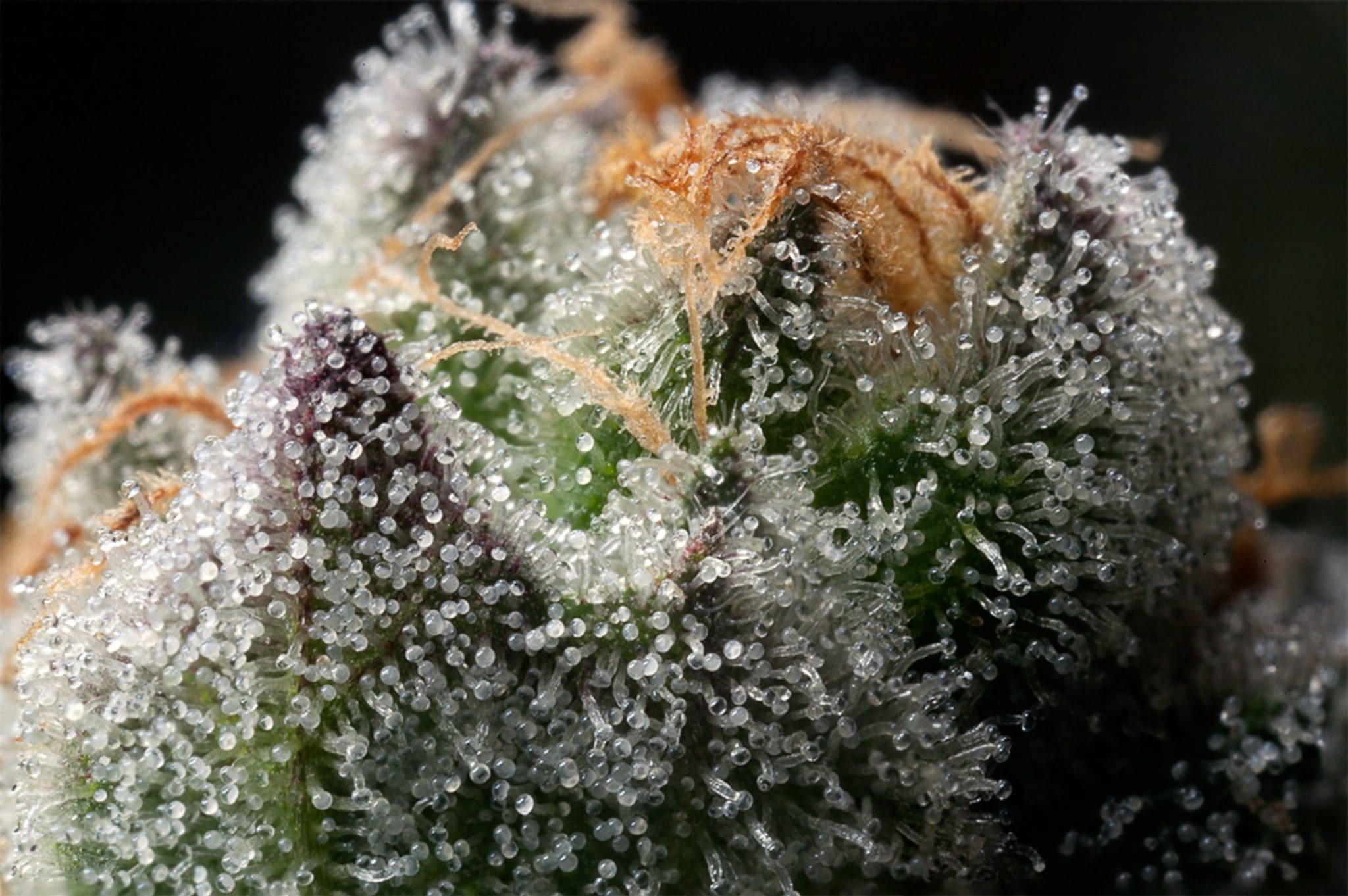
Quick answer: Indica-type cannabis plants are usually shorter and bushier, with broad leaflets and shorter flowering times, while sativa-type plants grow taller with narrow leaflets and longer flowering. Those differences describe how a plant grows, not how it will feel. Genetic studies show store labels often don’t match a strain’s ancestry, so check a lab COA for cannabinoids and terpenes instead.
Key takeaways
- “Indica” and “sativa” are useful for describing plant shape, not for predicting effects.
- Research shows indica and sativa labels are often inconsistent with a strain’s genetics.
- Labels seem to track a few aroma compounds more than overall ancestry.
- A certificate of analysis (COA) tells you far more than a label.
What’s the Difference Between Indica and Sativa Plants?
The terms started as botanical descriptions. Growers still use them to describe how a plant looks and grows, and those physical differences are real and easy to spot in the garden.
| Trait | Indica-type (broad-leaf) | Sativa-type (narrow-leaf) |
|---|---|---|
| Leaf shape | Wide, short leaflets, often darker green | Long, thin leaflets, often lighter green |
| Height | Shorter and bushy | Taller and lanky, with more space between branches |
| Flowering time | Often reported around 7 to 9 weeks | Often reported around 10 to 14 weeks or more |
| Bud structure | Dense, compact buds | Longer, airier buds |
| Traditional regions | Afghanistan and nearby mountain areas | Tropical regions such as Thailand, Mexico, and parts of Africa |
Most cannabis sold today is a hybrid of both types, so many plants land somewhere in between. Growth can also shift with light, nutrients, and training, which is why the same strain can look different from one grow to the next. You can read more about each type in our glossary entries for indica and sativa.
How Can You Identify an Indica Plant?
If you’re looking at a living plant, start with the leaves. Broad, fat leaflets that overlap on a fan leaf are a classic indica-type sign. Then check the overall shape. Indica-leaning plants tend to stay compact, with tight spacing between nodes and a Christmas-tree or bush form.
During flowering, indica-type plants usually finish sooner and pack on dense buds. Narrow-leaf types often keep stretching and take longer to mature.
What you can’t do is look at dried flower and reliably tell its ancestry or effects. Bud shape gives hints, but trimming, drying, and hybrid genetics blur the picture.
Do Indica and Sativa Labels Predict Effects?
Not reliably. The popular idea is that indica means relaxing “couch-lock” and sativa means energizing. Research doesn’t back that up as a rule.
A 2015 study by Sawler and colleagues in PLoS ONE genotyped 81 marijuana and 43 hemp samples. It found only a moderate correlation between strains’ genetic structure and their reported indica or sativa ancestry, and concluded that strain names often don’t reflect a meaningful genetic identity.
A 2021 study in Nature Plants by Watts and colleagues went further. After analyzing more than 100 samples for chemistry and over 100,000 genetic markers, the researchers found that sativa- and indica-labeled samples were genetically indistinct across the genome. The labels were instead associated with differences in a small number of terpenes.
A 2022 PLoS ONE study by Smith and colleagues analyzed commercial cannabis from six U.S. states. It found distinct chemical profiles (chemotypes), but showed that commercial labels don’t consistently align with them, even though some labels lean toward certain profiles.
Bottom line: how a product feels depends more on its chemistry, your dose, your tolerance, and the setting than on the word on the jar. Any effects you hear attributed to a label are reported and anecdotal.
Why Do Labels Mislead?
- Decades of crossbreeding. Most modern strains are hybrids of hybrids, so “pure” indica or sativa products are rare.
- Naming isn’t regulated for consistency. The same strain name can come from different genetics depending on the grower.
- Marketing shortcuts. Labels are often assigned by aroma, bud look, or reported feel rather than by genetic testing.
- Batch variation. Even true genetic copies can test differently depending on growing conditions and harvest timing.
What Should You Look at Instead?
A certificate of analysis (COA) from an independent lab is your best tool. Licensed dispensaries in many states can show you one. Look for:
| COA item | Why it matters |
|---|---|
| THC and THCA | Main intoxicating potential. THCA converts to THC when heated |
| CBD and CBDA | Non-intoxicating cannabinoids that may change how a product feels |
| Minor cannabinoids | Compounds like CBG or CBN, usually in small amounts |
| Terpene profile | Aroma compounds such as myrcene, limonene, and caryophyllene |
| Contaminant testing | Pesticides, mold, and heavy metals |
Pay attention to the ratio of THC to CBD and the dominant terpenes, then track how specific products feel to you. Research on terpenes’ effects in people is still limited, so treat aroma-based effect claims with caution. Our guide to how terpene profiles affect your cannabis experience explains what’s known and what isn’t.
Frequently Asked Questions
Is indica better for sleep?
Many people report that indica-labeled products help them relax, but research doesn’t show that the indica label itself predicts sleepiness. Effects depend more on cannabinoid content, dose, terpenes, and the individual. If you’re considering cannabis for sleep, research is limited, so it’s worth talking with a healthcare provider first.
Can you tell indica from sativa by looking at the bud?
Only loosely. Indica-type buds tend to be dense and compact, while sativa-type buds are often longer and airier. But most products are hybrids, and trimming and drying change how buds look. Bud appearance won’t tell you a product’s genetics or how it will feel, so check the lab results instead.
What is a hybrid strain?
A hybrid is a cross between different cannabis plants, often with both broad-leaf and narrow-leaf ancestry. Today, nearly all commercial strains are hybrids to some degree. Labels like “indica-dominant” or “sativa-dominant” are common, but they’re often based on reported traits rather than genetic testing.
Is ruderalis a third type of cannabis?
“Ruderalis” usually refers to hardy, short plants from northern regions that flower based on age rather than day length. That trait is the source of modern autoflowering strains. Botanists still debate how cannabis should be classified, so you’ll see different naming systems in different sources.
Sources: Sawler et al., PLoS ONE (2015): The genetic structure of marijuana and hemp; Watts et al., Nature Plants (2021): Cannabis labelling is associated with genetic variation in terpene synthase genes; Smith et al., PLoS ONE (2022): The phytochemical diversity of commercial Cannabis in the United States
This article is for general education and isn’t medical advice. Talk to a healthcare provider before using cannabis for a health condition.