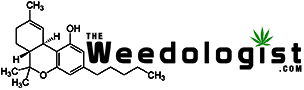
Delta-9 THC
Definition: Delta-9 THC (delta-9-tetrahydrocannabinol) is the main intoxicating compound in cannabis and what most people mean when they say “THC.” It’s also the compound U.S. federal law has used to separate legal hemp from marijuana, a line that is changing in late 2026.
What Does Delta-9 THC Do?
Delta-9 THC binds to the CB1 receptors in the brain’s endocannabinoid system, which produces the high, along with effects like relaxation, appetite and altered time perception. In raw plants it mostly exists as THCA, which turns into delta-9 THC when heated.
Delta-9 vs. Delta-8 THC
They differ by the position of one double bond in the molecule. Delta-8 THC occurs naturally only in tiny amounts, so most delta-8 products are made by converting hemp-derived CBD. People generally report delta-8 as milder.
How Is Delta-9 THC Regulated?
The 2018 Farm Bill defined hemp as cannabis with no more than 0.3% delta-9 THC on a dry weight basis. A federal appropriations law enacted November 12, 2025, changes that definition to 0.3% total THC, including THCA, and caps final hemp products at 0.4 milligrams of total THC per container. According to the Congressional Research Service, parts of that change take effect November 12, 2026, and others were delayed to December 11, 2026. Rules can change, so check current law before buying or selling hemp products.
Related terms: THC, THCA, Delta-8 THC, Hemp, 2018 Farm Bill
Sources: Congressional Research Service, IF13136 (updated Sept. 28, 2026); 7 CFR 990.1, USDA hemp definitions.