
Autoflower
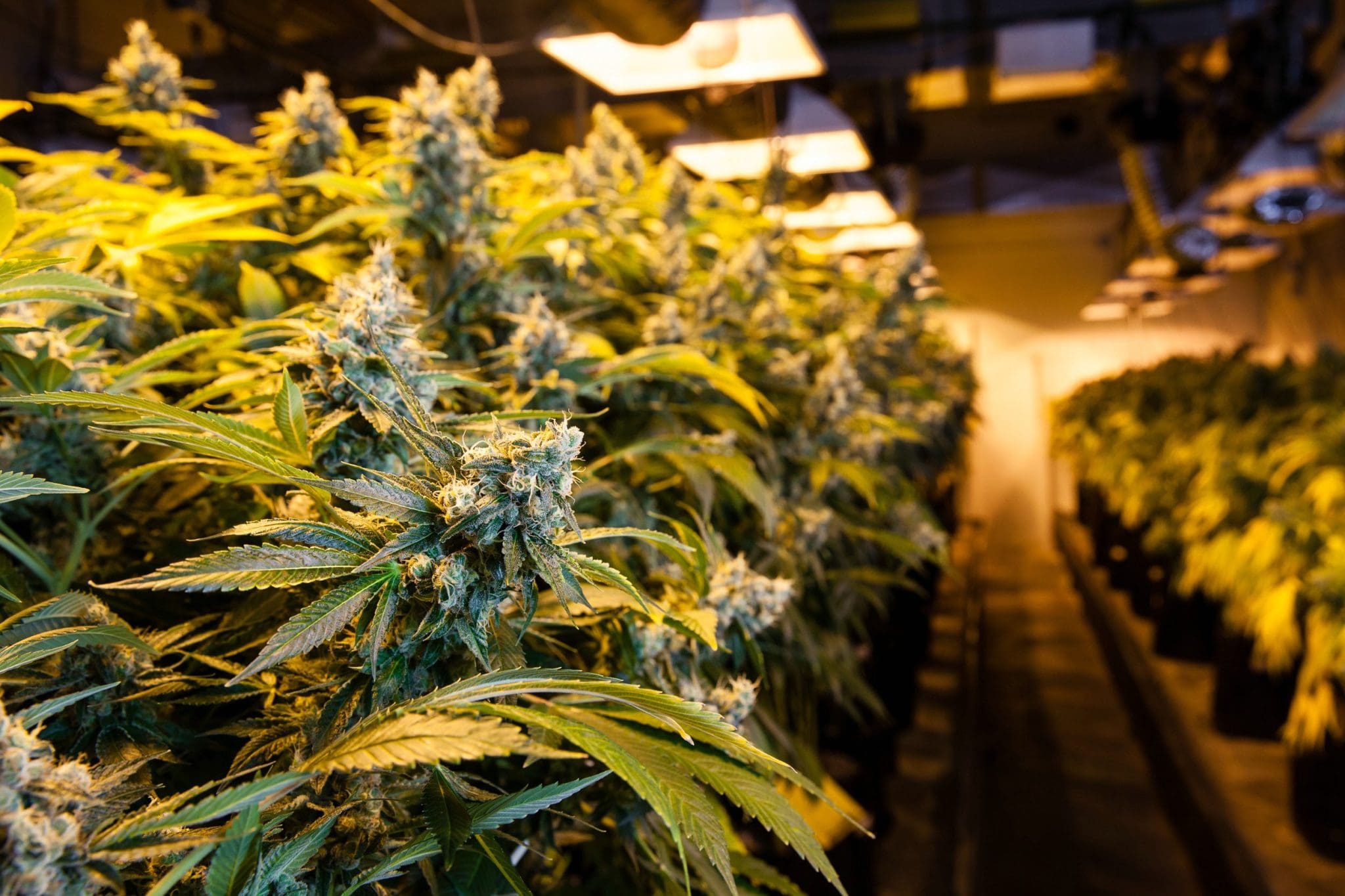
Definition: An autoflower is a cannabis plant that begins flowering on its own once it reaches a certain age, regardless of how many hours of light it gets. Regular photoperiod cannabis only flowers when days get shorter. Autoflowering plants are usually smaller and faster, often going from seed to harvest in a few months.
How Do Autoflower Plants Work?
Most cannabis is photoperiod sensitive. Indoors, growers switch lights to a 12 hours on, 12 hours off schedule to trigger flowering. Autoflowering plants are photoperiod insensitive, so they move from the vegetative stage into flowering on an internal timeline. Researchers at Cornell mapped this trait to a region they named Autoflower1 and found it behaves as a simple recessive trait, meaning a plant needs two copies to autoflower reliably.
Where Does the Autoflower Trait Come From?
The trait is commonly credited to Cannabis ruderalis, a hardy type from northern regions with short summers. Breeders crossed it with indica and sativa genetics to get faster plants with better potency. Note that recent genomic research doesn’t clearly support ruderalis as a separate species, so you’ll see it described in different ways.
What Are the Pros and Cons of Autoflowers?
- Pro: fast turnaround, often allowing more than one outdoor harvest per season
- Pro: compact size that’s easy to hide or fit in small spaces
- Pro: no need to manage light schedules to trigger flowering
- Con: generally smaller yields per plant
- Con: little time to recover from stress, so mistakes hurt more
- Con: you can’t take a useful clone because each cutting keeps the mother’s age-based timeline
Are Autoflower Seeds Feminized?
Many are. Seed companies commonly sell feminized seeds with the autoflower trait so growers don’t have to remove males before they pollinate the crop.
Related terms: Feminized Seeds, Phenotype, Clone, Strains
Sources: Toth et al., mapping of the Autoflower1 locus, Frontiers in Plant Science (2022).