
Indica Weed Strains: Your Guide to Finding the Perfect Chill
Quick answer: Indica strains are cannabis varieties sold for relaxing, body-heavy effects, often picked for evenings and unwinding. Classic examples include Northern Lights, Granddaddy Purple and Hindu Kush. But the label is a loose guide: a study of nearly 90,000 lab-tested samples found indica and sativa labels don’t reliably match chemistry.
Whether you search for indica weed, indica pot strains, indica cannabis strains or cannabis indica strains, you are probably after the same thing: something mellow for the end of the day. This guide explains what the word really means, what effects people often report, which classic strains they reach for, and how to choose one using the lab label instead of the name alone. Cannabis laws vary by location, so check the rules where you live before you buy.
Key takeaways
- Indica plants are traditionally short and bushy with broad leaves.
- Indica strains are marketed as relaxing, but effects vary from person to person and batch to batch.
- Myrcene-heavy strains are often the ones people describe as sleepy or couch-locking.
- Some indica-leaning strains, especially high-CBD ones, are often described as relaxing without being knockout heavy.
- Check the lab results on the package, not just the indica or sativa label.
What are indica strains?
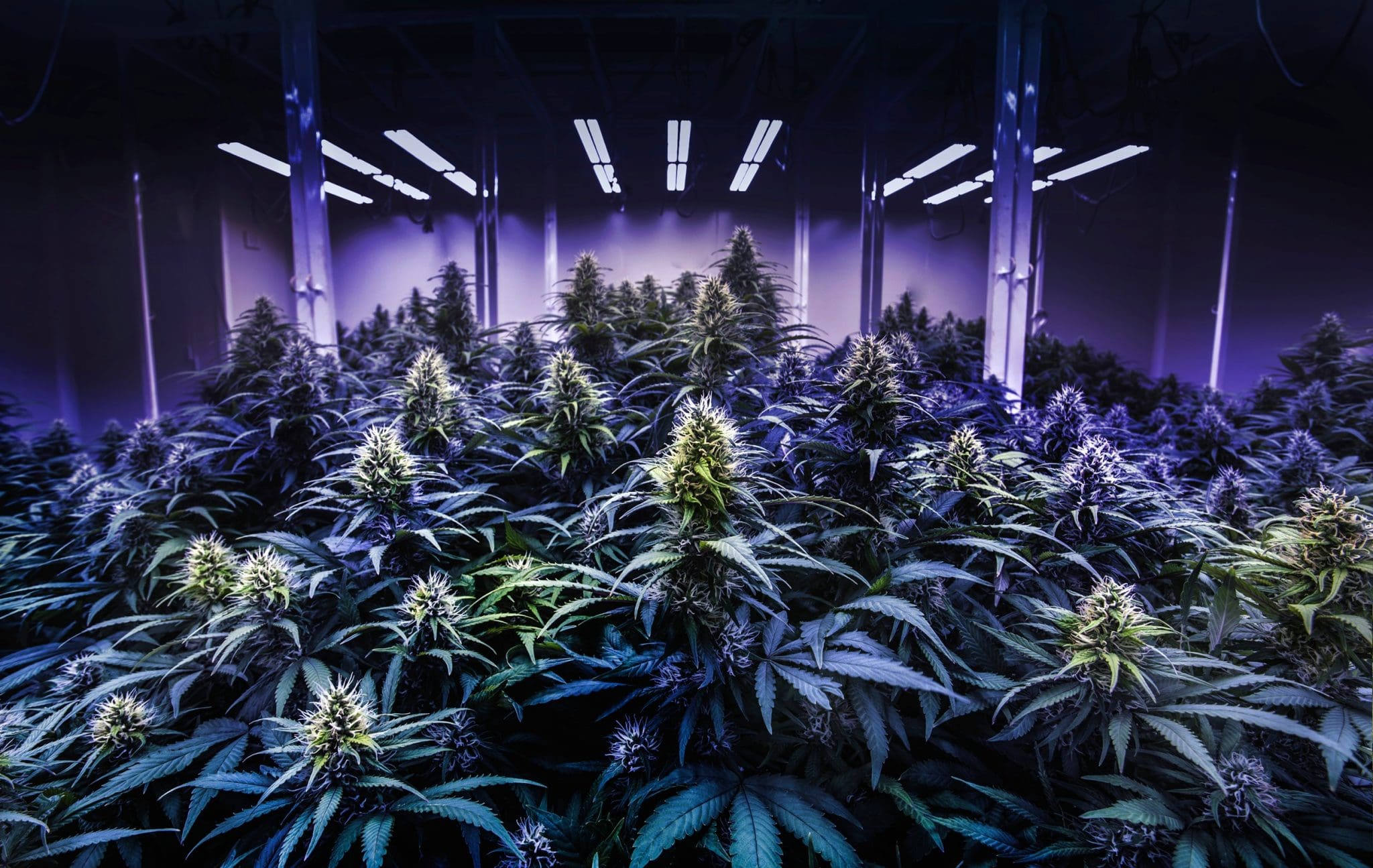
Indica is one of the three labels you’ll see on almost every dispensary menu, along with sativa and hybrid. The name started as a botanical description: indica plants grow short and bushy, with wide, dark leaves and a shorter flowering time, and many trace back to landrace varieties from the Hindu Kush region of Afghanistan and Pakistan.
Today the word is mostly a marketing shorthand for “relaxing.” Decades of crossbreeding mean nearly every strain on the market is a hybrid of some kind, and researchers have argued the indica/sativa split is hard to define in a meaningful way.
What are the effects of indica strains?
Indica strains are most often described as calming and body-focused. Everyone responds differently, and dose, tolerance and the specific batch all matter. Here is what people commonly report:
| Often reported | What people usually mean |
|---|---|
| Relaxation | A calm, unwound feeling, especially in the evening |
| Body heaviness | A full-body, settled feel that can turn into couch-lock at higher doses |
| Sleepiness | Feeling drowsy, more often with myrcene-rich, high-THC strains |
| Euphoria | A mellow, happy mood rather than a racy one |
| Dry mouth and red eyes | Common side effects with many cannabis strains, indica or not |
Too much of any strain can bring unwanted effects such as anxiety or dizziness, so starting low is the safest habit.
Do indica strains make you sleepy?
Many people report that they do, but not all do. Strains people describe as sedating often carry a lot of myrcene, an earthy terpene often reported to feel relaxing. High THC can also feel heavy, especially in larger doses. That’s why strong indicas are popular with people looking to wind down at night or who are curious about trouble sleeping. The famous couch-lock feeling is the extreme end of that.
What’s the difference between indica and sativa?
| Indica | Sativa | |
|---|---|---|
| Plant shape | Short, bushy, broad leaves | Tall, airy, narrow leaves |
| Flowering time | Shorter | Longer |
| Marketed effects | Relaxing, body-focused | Uplifting, head-focused |
| Typical use | Evening, sleep, unwinding | Daytime, social, creative |
The plant differences are real. The effect differences are much less reliable. A CU Boulder team analyzed 89,923 lab-tested flower samples from six states and found that products labeled indica had terpene profiles largely indistinguishable from those labeled sativa or hybrid. Effects come from the mix of cannabinoids and terpenes, plus your own tolerance and setting.
What are some classic indica strains?
These are the names most people mean when they talk about a heavy indica:
| Strain | Often known for |
|---|---|
| Northern Lights | A legendary, resinous indica with a calm, full-body reputation |
| Granddaddy Purple | Deep purple color, grape-berry aroma and a sleepy finish |
| Hindu Kush | A near-pure indica landrace named for its mountains, with an earthy, hashy smell |
| Skywalker | A pungent, spicy aroma and a heavy body feel |
| Blackberry Kush | Sweet berry aroma, popular as a nighttime strain |
Which indica strains won’t make you sleepy?
If you want to relax without losing the evening, look for indica-leaning strains with meaningful CBD, or terpene profiles lighter on myrcene and heavier on limonene or pinene. Options people often reach for:
- Harlequin: a high-CBD strain often described as calm and clear.
- Cannatonic: another CBD-rich option with mild intoxication.
- ACDC: very high CBD and very low THC, known for barely any high.
- Blueberry: some phenotypes are described as more balanced than sedating.
Lower doses help too. Even a classic heavy indica often feels lighter in one or two small puffs.
What are some popular indica-dominant strains?
Modern menus are full of indica-leaning hybrids. Popular ones include Wedding Cake, Do-Si-Dos, Girl Scout Cookies and Gelato, all known for sweet, dessert-like aromas and relaxing, euphoric effects often reported by fans. Because they’re hybrids, the experience can lean either way depending on the batch. For more on how these crosses came about, see our guide to hybrid strains.
How do you pick the right indica?
- Decide the goal. Sleepy nights, unwinding or just a mellow evening each point to different strengths.
- Read the lab label. Look at THC, CBD and the top two or three terpenes, not just the word indica.
- Start low. One or two puffs, then wait 10 to 15 minutes.
- Keep notes. Track what you tried and how it felt. Patterns show up fast.
Want to check a plant or bud yourself? Read how to identify indica. For the mood side of things, see The Benefits of Indica Strains for Improving Overall Mood.
Frequently asked questions
What does indica mean?
Indica is a label for cannabis plants that are traditionally short and bushy, and for strains marketed as relaxing and body-focused. Because of heavy crossbreeding, it is a loose guide rather than a precise description.
Is indica an upper or a downer?
Indica is sold as the relaxing, “downer” side of cannabis. In practice it depends on the strain’s chemistry and your dose.
What are the side effects of indica strains?
Commonly reported ones include dry mouth, red eyes, drowsiness and dizziness. Higher doses can also bring anxiety for some people. Starting with a small amount helps.
Is indica better for sleep?
Many people prefer it at night, and myrcene-rich indicas are common sleep picks. Evidence on cannabis for sleep is still mixed, so talk to a doctor if sleep problems are ongoing.
Is indica stronger than sativa?
Not by definition. Strength comes from THC content and dose, and both types range from mild to very potent.
What does “indica-dominant” mean?
It’s a hybrid whose breeder or seller says it leans indica, either in growth habit or in the effects people report.
Can you tell an indica by looking at the bud?
Indica buds are often dense and chunky, but appearance isn’t a reliable guide to effects. The lab label tells you more.
Sources
- Smith CJ, Vergara D, Keegan B, Jikomes N. The phytochemical diversity of commercial Cannabis in the United States. PLOS ONE, 2022. PMC9119530.
- Piomelli D, Russo EB. The Cannabis sativa versus Cannabis indica debate. Cannabis and Cannabinoid Research, 2016. PMC5531363.
- CU Boulder Today, What’s in your weed? The label doesn’t tell you much, study suggests.
The information contained in this blog post is for informational purposes only and is not intended as a substitute for medical advice, diagnosis, or treatment. Read our full disclaimer.