
Chronic Fatigue Syndrome
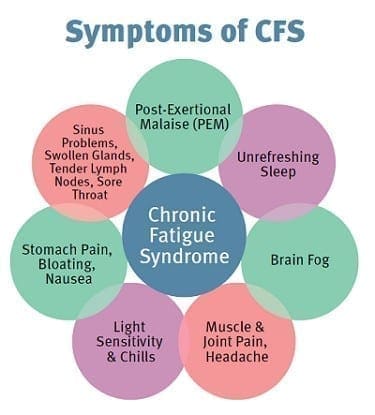
Definition: Chronic fatigue syndrome, now usually called myalgic encephalomyelitis/chronic fatigue syndrome (ME/CFS), is a serious, long-term illness that causes profound exhaustion not relieved by rest. Its hallmark is post-exertional malaise, a worsening of symptoms after even minor physical or mental effort. There’s no cure, and treatment focuses on managing symptoms.
What Are the Symptoms of ME/CFS?
- Severe fatigue that lasts six months or more and limits daily activities
- Post-exertional malaise, or “crashes” after activity
- Unrefreshing sleep
- Problems with thinking and memory, often called brain fog
- Dizziness or lightheadedness when standing
- Pain in muscles and joints, and headaches
Does Cannabis Help Chronic Fatigue Syndrome?
There’s no solid clinical evidence that it does. No well-designed clinical trials have tested cannabis for ME/CFS. Some patients report using it for pain, sleep, or nausea, symptoms that cannabis has been studied for in other conditions, but THC can also worsen dizziness, fatigue, and brain fog in some people. Anyone with ME/CFS considering cannabis should talk to their doctor, especially about interactions with other medications.
Is ME/CFS a Qualifying Condition for Medical Marijuana?
Rarely by name. A few state medical marijuana programs list it, and some allow it under broader categories like chronic pain or a provider’s discretion. Check your state’s program rules.
Related terms: MMJ, Cannabidiol (CBD), THC
Sources: CDC: Myalgic Encephalomyelitis/Chronic Fatigue Syndrome; National Institute on Drug Abuse: Cannabis (Marijuana).
This entry is for general education and isn’t medical advice.