
MMJ
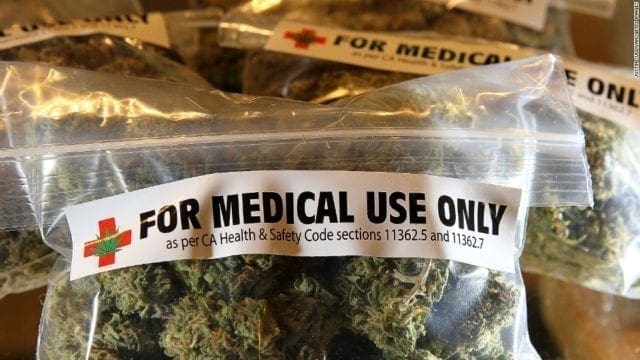
Definition: MMJ is short for medical marijuana, cannabis used to treat or relieve symptoms of a medical condition under a state medical cannabis program. Doctors can’t prescribe cannabis under federal law, so patients get a written recommendation or certification instead, then register with their state to buy from licensed medical dispensaries.
How Do Medical Marijuana Programs Work?
- A licensed health care provider certifies that you have a qualifying condition.
- You register with the state and receive a medical card, if your state uses them.
- You buy from licensed medical dispensaries, often with higher limits and lower taxes than adult-use customers.
California’s Prop 215, passed in 1996, was the first state medical marijuana law. Most US states now have medical programs.
What Conditions Qualify for Medical Marijuana?
Lists vary by state but commonly include chronic pain, cancer, chemotherapy-related nausea, epilepsy and seizure disorders, multiple sclerosis spasticity, HIV/AIDS, glaucoma, Crohn’s disease, and PTSD. The strongest clinical evidence is for chronic pain, chemotherapy-induced nausea, MS spasticity, and certain seizure disorders, where the FDA has approved the CBD drug Epidiolex.
What Is the Federal Status of Medical Marijuana?
In April 2026, the DEA moved marijuana handled under state medical cannabis licenses, along with FDA-approved marijuana products, from Schedule I to Schedule III of the Controlled Substances Act. The Rohrabacher-Farr Amendment has also long barred the Justice Department from spending money to interfere with state medical programs.
Related terms: Prop 215, Epidiolex, Dispensary, Americans for Safe Access
Sources: DEA: Marijuana Rescheduling Regulatory Actions; FDA: Regulation of Cannabis and Cannabis-Derived Products.
Last reviewed October 2026. This entry is for general education and isn’t medical or legal advice.